 Mayumi Goya
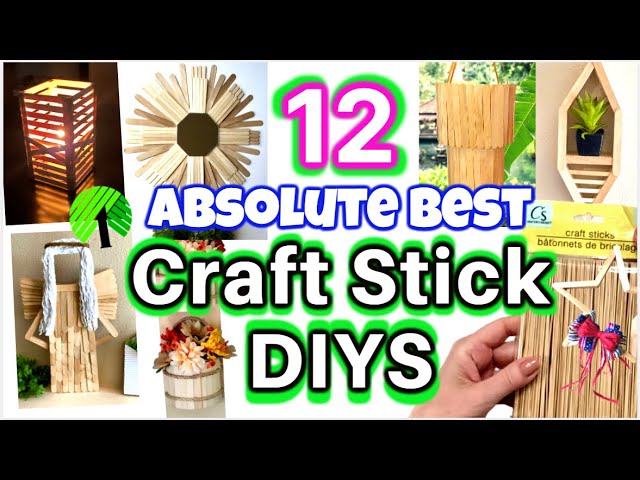
 Crafts with sticks offer a surprisingly diverse range of creative possibilities, transforming readily available natural materials into unique and engaging projects. From simple decorations to intricate structures, the versatility of sticks as a crafting medium is undeniable, appealing to both children and adults alike. The inherent beauty of natural wood and the tactile experience of working with sticks contribute to a rewarding and often therapeutic crafting process. This exploration delves into various craft ideas, providing step-by-step guidance to unlock the potential of this accessible and eco-friendly material. The possibilities are limited only by one’s imagination and the availability of suitable sticks.
The appeal of crafts using sticks lies in their accessibility and sustainability. Sticks, readily available in most environments, require minimal preparation before becoming crafting materials. This inherent simplicity allows for spontaneous creativity, promoting a sense of connection with nature and fostering environmental awareness. Furthermore, the variety in size, shape, and texture of naturally sourced sticks opens up endless creative avenues, resulting in uniquely handcrafted items that are both beautiful and personal. This reduces reliance on mass-produced, often environmentally damaging, materials.
Beyond the environmental benefits, engaging in crafts with sticks offers significant therapeutic advantages. The tactile nature of the activity can be calming and meditative, promoting mindfulness and reducing stress. The creative process itself can boost self-esteem and provide a sense of accomplishment, regardless of skill level. Working with natural materials connects individuals with the outdoors, offering a welcome respite from the often overwhelming demands of modern life. The end result, a unique and personalized creation, offers a tangible reminder of this creative and restorative process.
Exploring Diverse Crafts with Sticks
This section details several craft ideas using sticks, offering step-by-step instructions for various skill levels. From simple projects suitable for children to more complex creations, these examples illustrate the versatility and potential of working with sticks. Remember to always prioritize safety when gathering and using sticks, ensuring they are clean and free from sharp edges. The time estimates provided are approximate and may vary depending on individual skill and project complexity.
Stick Animals
Create adorable animal figures using sticks, twigs, and other natural materials. Estimated time: 30-60 minutes.
- Gather sticks of varying lengths and thicknesses.
- Arrange the sticks to form the animal’s body.
- Use smaller twigs for legs, tails, and other details.
- Secure the pieces with glue or twine.
- Add details like eyes and nose using paint or natural materials.
Stick Mobiles
Design eye-catching mobiles by suspending sticks of different lengths and sizes. Estimated time: 1-2 hours.
- Gather sticks of varying lengths and thicknesses.
- Arrange the sticks in a balanced design.
- Tie the sticks together using twine or string.
- Attach a hanging loop to the top.
- Decorate with beads, feathers, or other embellishments (optional).
Stick Frame Pictures
Create unique picture frames using sticks and glue. Estimated time: 30-60 minutes.
- Collect sticks of similar length and thickness.
- Arrange the sticks in a square or rectangular shape.
- Glue the sticks together, ensuring a strong bond.
- Allow the glue to dry completely.
- Insert a picture or photograph into the frame.
Stick Star
Create a beautiful star using sticks and twine. Estimated time: 15-30 minutes
- Gather 5 sticks of similar length.
- Arrange the sticks in a star shape.
- Tie the sticks together using twine at the center point.
- Decorate with paints or other embellishments (optional).
Stick Weaving
Create intricate woven patterns using thin, pliable sticks. Estimated time: 1-3 hours.
- Gather slender, flexible sticks.
- Weave the sticks together using an over-and-under technique.
- Create various patterns and designs.
- Secure the ends with glue or twine.
Stick Houses
Construct miniature houses using sticks and natural materials. Estimated time: 1-2 hours.
- Gather sticks of varying lengths and thicknesses.
- Build a frame for the house using longer sticks.
- Add walls and a roof using shorter sticks.
- Use mud or clay to fill gaps (optional).
- Decorate with leaves, flowers, or other natural elements.
The creative possibilities offered by engaging in these crafts are truly extensive. Each project not only produces a unique and tangible outcome but also offers a therapeutic and engaging experience. The simplicity of the materials contrasts beautifully with the potential for complex designs and intricate patterns, illustrating the versatility of this natural crafting medium. The readily available nature of sticks further enhances their appeal, making these activities accessible to a wide range of participants.
Beyond the individual projects, the overarching benefit of working with sticks lies in the promotion of creativity, mindfulness, and connection with the natural world. These simple crafts can be adapted to suit different skill levels and interests, making them a valuable activity for both children and adults. The resulting creations serve as tangible reminders of the creative process and the calming influence of working with natural materials.
Helpful Tips for Crafts with Sticks
This section provides useful guidance and tips to enhance your experience creating crafts with sticks. These suggestions cover various aspects of the process, from gathering and preparing the sticks to ensuring the longevity of your finished creations. Following these simple guidelines will significantly improve both the ease and effectiveness of your crafting endeavors.
Careful preparation and planning will significantly enhance the final outcome of your projects. Selecting appropriate sticks and ensuring their cleanliness and dryness are crucial for successful crafting. Consider the intended use of the finished piece and select sticks that are suitably sized and strong enough to meet the demands of the project.
-
Gather Sticks Carefully:
Choose straight, sturdy sticks free from knots and sharp points. Inspect each stick for damage or decay before using it in a craft project. Clean the sticks thoroughly before starting to remove any dirt, debris, or insects. Allow the sticks to dry completely before commencing crafting to prevent warping or molding.
-
Prepare Sticks Appropriately:
Consider sanding down rough edges to avoid splinters and ensure a smooth finish for more delicate projects. For intricate designs, consider pre-treating the sticks with a sealant to protect them from moisture and maintain their shape and appearance over time. Proper preparation will ensure the longevity and aesthetic appeal of your creations.
-
Utilize Appropriate Adhesives:
Choose a strong and durable adhesive appropriate for both the type of stick and the project’s intended use. Wood glue is a common and effective choice for many stick craft projects, providing a strong bond that is relatively easy to work with. Ensure the adhesive is fully compatible with any other materials used in the craft. Correct adhesive use will greatly influence project strength and durability.
-
Consider Finishing Techniques:
Explore various finishing techniques to enhance the appearance and longevity of your stick crafts. A varnish or sealant can protect the wood from the elements and enhance its natural beauty. Painting or staining the sticks can add color and personalize the project. Consider using natural dyes derived from plants for an eco-friendly finish.
-
Embrace Creativity and Experimentation:
Don’t be afraid to experiment with different techniques and designs. The beauty of stick crafts lies in their adaptability and the potential for unique, personalized creations. Combine sticks with other natural materials like leaves, flowers, or stones to add texture and visual interest. Let your creativity guide your design and embrace the potential for unique outcomes.
By heeding these helpful tips, you can greatly enhance your ability to create beautiful and long-lasting crafts with sticks. Careful selection and preparation of the sticks, combined with thoughtful use of adhesives and finishing techniques, contribute to the success and enjoyment of this rewarding activity.
The therapeutic benefits of working with natural materials like sticks are further enhanced by the careful attention to detail and the methodical approach fostered by these simple tips. The process of creating these crafts provides a valuable opportunity for mindfulness and self-expression.
Frequently Asked Questions about Crafts with Sticks
This section addresses some common questions regarding crafts with sticks, offering clear and concise answers to guide your crafting endeavors. These FAQs cover various aspects of the crafting process, from material selection to project maintenance, ensuring a smoother and more enjoyable experience.
What types of sticks are best for crafting?
Straight, sturdy sticks that are free from knots, sharp edges, and signs of decay are ideal for crafting. Choose sticks that are appropriately sized for your project and ensure they are clean and dry before use. The thickness and flexibility of the sticks will depend on the specific craft you are undertaking.
How can I clean and prepare sticks for crafting?
Cleaning sticks involves removing dirt, debris, and any insects. Wash them gently with water and a soft brush, then allow them to dry completely before use. Sanding down rough edges is recommended to prevent splinters, especially for projects that will be handled frequently. Consider pre-treating the sticks with a sealant to protect them from moisture and increase their durability.
What type of adhesive is best for stick crafts?
Wood glue is often a suitable choice, providing a strong and reliable bond for many stick crafts. However, the best adhesive will depend on the specific project and materials used. Ensure the adhesive is compatible with all materials and apply it according to the manufacturer’s instructions. Consider using additional reinforcement, such as twine or wire, for added strength and stability.
How can I preserve my stick crafts?
To preserve your stick creations, consider applying a varnish or sealant to protect them from the elements and prevent decay. Keep them in a dry place away from direct sunlight and moisture. Regular dusting will help maintain their appearance. For outdoor projects, choose weather-resistant materials and ensure the sticks are properly treated to withstand exposure to the elements.
Where can I find sticks for crafting?
Sticks are readily available in many natural environments, including parks, forests, and even your own backyard. Always obtain permission before collecting sticks from private property. Remember to collect sustainably and responsibly, ensuring you don’t damage or harm the environment. Avoid collecting sticks that appear diseased or damaged to prevent the spread of pests or diseases.
Addressing these frequently asked questions clarifies various aspects of working with sticks, enabling a more efficient and enjoyable crafting experience. Understanding material selection, preparation, and maintenance contributes significantly to the creation of beautiful and long-lasting projects. The accessibility of sticks and the simplicity of many stick craft projects makes this a rewarding activity for people of all ages and skill levels.
The sustainability and therapeutic aspects of crafts with sticks contribute to their widespread appeal. These readily available materials promote creativity and mindfulness, enriching the crafting experience beyond the finished product. The knowledge gained through understanding these frequently asked questions helps to unlock the full potential of this diverse crafting medium.
Key Aspects of Crafts with Sticks
Crafts using sticks encompass a broad range of activities, skills, and considerations. This section delves into several pivotal areas, each representing a crucial aspect that contributes to the overall success and enjoyment of these projects. Understanding these key aspects will enhance your understanding of the overall craft.
Material Selection
Choosing the right sticks is fundamental to successful crafts. Factors to consider include size, strength, straightness, and the absence of knots or sharp edges. The type of wood, its flexibility, and its ability to hold adhesives also play a role. Careful selection of sticks directly influences the structural integrity and aesthetic appeal of the finished product. Different projects necessitate different types of sticks; understanding these nuances will improve the craft’s longevity and effectiveness.
Construction Techniques
Various techniques are employed in crafts with sticks, ranging from simple gluing and tying to more complex weaving or interlocking methods. The choice of technique is influenced by the project’s design, the size and type of sticks, and the desired level of detail. Mastering several construction techniques broadens creative possibilities and improves overall project quality. Appropriate technique selections are key to project success.
Design & Aesthetics
The visual appeal of the finished craft is significantly influenced by design. Creativity and planning play a vital role in shaping the overall appearance and impact of the project. This stage involves consideration of symmetry, balance, and the integration of other natural or decorative elements. Thoughtful design elevates a craft from a functional object to a piece of art. Careful design enhances aesthetics and appeal.
Sustainability & Environmental Impact
The use of readily available, natural materials underscores the sustainable nature of crafts with sticks. Gathering materials responsibly and minimizing waste further contribute to the environmentally conscious aspect of this activity. This mindful approach fosters a sense of connection with nature and promotes environmentally responsible practices. Sustainable practices add value to the craft.
Therapeutic Benefits
Engaging in crafts with sticks offers therapeutic advantages, promoting mindfulness, reducing stress, and fostering creativity. The tactile nature of the work and the connection with nature contribute to a calming and restorative experience. The sense of accomplishment derived from creating something unique and tangible adds further to the therapeutic benefits. Therapeutic value enhances the experience.
Understanding these key aspects of crafts with sticks contributes to a more holistic appreciation of the activity. From material selection and construction techniques to design and environmental considerations, each element plays a crucial role in the crafting process. This knowledge empowers individuals to approach their creations with greater confidence and creativity, further enhancing the overall experience.
The readily available nature of sticks, combined with the therapeutic benefits of crafting, makes this activity both accessible and rewarding. These simple crafts offer a unique blend of creativity, mindfulness, and connection with the natural world, encouraging sustainable and environmentally conscious practices.
The therapeutic and sustainable aspects, combined with the diverse range of creative possibilities, establish crafts with sticks as a valuable and enriching pursuit. From simple projects for children to intricate designs for adults, the appeal lies in its accessibility and the connection it fosters with the natural world.
In conclusion, crafts with sticks offer a rich and rewarding experience, blending creativity, sustainability, and therapeutic benefits. The versatility of the material and the simplicity of many projects make it an accessible and engaging activity for a wide audience.
Youtube Video: