 Mayumi Goya
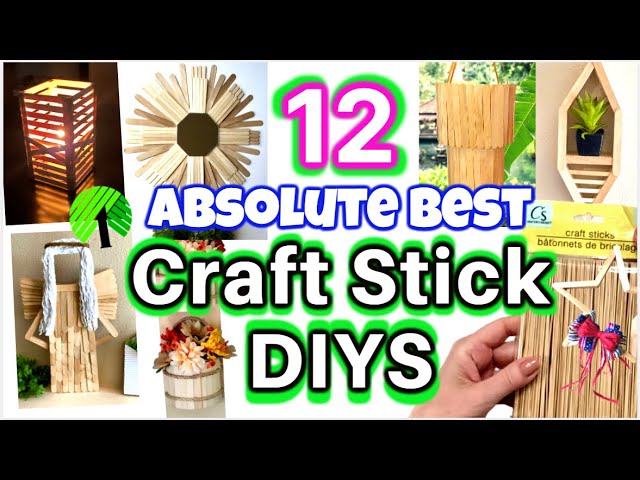
 Wooden craft sticks, readily available and inexpensive, offer a surprisingly versatile medium for a wide range of creative projects. Their simple form belies their potential, transforming into intricate structures and charming decorations with a little ingenuity. From miniature houses to whimsical mobiles, the possibilities are limited only by imagination. This guide explores various craft ideas utilizing these humble materials, demonstrating their surprising adaptability and potential for artistic expression. The ease of use and low cost make them an ideal crafting material for both beginners and experienced crafters.
Wooden craft sticks, often found in craft stores or even in ice cream containers, provide a sustainable and readily accessible crafting resource. Their natural texture and neutral color lend themselves well to a variety of decorative techniques, including painting, staining, gluing, and embellishing with various materials. The inherent strength and stability of these sticks allow for the creation of sturdy and durable projects, whether they’re intended for functional use or purely aesthetic purposes. This makes them an excellent material for both children and adults, fostering creativity and fine motor skill development.
The affordability of wooden craft sticks makes them an attractive option for large-scale projects or crafting on a budget. Their availability in bulk allows crafters to complete ambitious designs without incurring significant material costs. The ease of manipulation makes them suitable for various skill levels and age groups. From simple decorations to complex structures, the possibilities are vast. Their light weight also makes shipping and transportation of completed projects relatively easy.
Crafting Projects with Wooden Craft Sticks
The following examples showcase the diverse applications of wooden craft sticks, highlighting their potential to create unique and visually appealing projects. Each project offers step-by-step instructions to guide you through the creation process, demonstrating the versatility and accessibility of this humble crafting material. The estimated time to complete each project varies based on skill level and the complexity of the design.
Miniature Houses
Constructing miniature houses from wooden craft sticks is a fun and engaging project suitable for all ages. It typically takes 1-2 hours to complete.
- Glue sticks together to form walls and a roof.
- Add details like doors and windows using smaller sticks or other craft materials.
- Paint and decorate the house to your liking.
- Add landscaping elements such as miniature trees or flowers.
Picture Frames
Creating a rustic picture frame from wooden craft sticks is a simple yet effective project that can be completed in approximately 30 minutes.
- Arrange sticks to form a square or rectangle.
- Glue the sticks together, ensuring a strong bond.
- Once dry, decorate the frame using paint, stain, or other embellishments.
- Insert your favorite photo.
Simple Mobiles
Creating a whimsical mobile using wooden craft sticks is a fun project perfect for children. It should take approximately 45 minutes to complete.
- Cut sticks into various lengths.
- Glue the sticks together to form different shapes and sizes.
- Decorate with paint, glitter, or other materials.
- Attach strings and hang from a ceiling or hook.
Stars and Snowflakes
Constructing decorative stars or snowflakes involves carefully gluing sticks to form the desired shapes. Completion time is roughly 1 hour.
- Arrange sticks in a star or snowflake pattern.
- Glue the sticks together securely.
- Once dry, decorate with paint, glitter, or other materials.
- Use for ornaments or wall decorations.
Weaving Patterns
Create unique weaving patterns using popsicle sticks. Expect this to take around 1.5 – 2 hours.
- Glue sticks parallel to create a weaving base.
- Weave thinner sticks or yarn through the base.
- Secure ends with glue.
- Decorate as desired.
Wooden craft sticks, despite their unassuming appearance, offer a rich canvas for creativity. Their simple structure invites experimentation and modification, making them perfect for projects of varying complexity. The wide availability and affordability of these sticks ensure accessibility for all, regardless of budget or experience level.
The versatility of wooden craft sticks extends to various craft techniques. They can be painted, stained, decoupaged, or embellished with beads, ribbons, and other decorative elements, expanding the creative potential significantly. This adaptability opens up a world of possibilities for both novice and experienced craftspeople. Their inherent strength also ensures longevity, allowing for the creation of durable and long-lasting crafts.
Tips for Working with Wooden Craft Sticks
Successfully working with wooden craft sticks involves understanding a few key techniques and considerations. Proper preparation and execution will ensure the creation of durable and visually appealing projects.
These suggestions aim to enhance your crafting experience and yield the best possible results when working with this versatile material. Proper planning and attention to detail can elevate even the simplest projects.
-
Clean the Sticks:
Before starting any project, it’s essential to clean the wooden craft sticks to remove any residue or debris. A simple wipe with a damp cloth usually suffices. This ensures a clean surface for painting, gluing, or other decorative techniques. Removing any loose fragments also prevents them from interfering with the craft’s structural integrity. Proper cleaning is crucial for optimal adhesion of paint or glue.
-
Proper Gluing Technique:
Using the correct amount of glue is vital for a strong and lasting bond. Too little glue will result in weak connections, while excessive glue can lead to a messy and unprofessional finish. Allow ample drying time for the glue to set properly, ensuring the structural integrity of the finished craft. Experimentation with different glues can help determine what works best for your projects. Consider using clamps or weights to secure pieces while the glue dries.
-
Sanding for Smooth Finish:
Sanding the edges of the wooden craft sticks can create a smoother, more refined look, especially when painting or staining. This simple step elevates the overall aesthetic appeal of the finished product. Sanding removes splinters and ensures a uniform surface for applying coatings. Light sanding is often enough to achieve a noticeable improvement in the overall finish.
-
Creative Decoration:
Wooden craft sticks lend themselves well to various decorative techniques. Explore different painting methods, such as watercolor, acrylics, or even fabric paint. Consider using stencils for intricate designs or adding embellishments such as glitter, beads, or sequins. Experiment with different mediums to achieve unique textures and visual effects. The possibilities are virtually limitless.
-
Planning Your Design:
Before beginning, it’s crucial to plan the design of your project. Sketching a rough outline can help to visualize the final product and determine the number and size of sticks needed. This prevents potential errors and ensures the project’s overall cohesiveness. Planning also helps optimize material usage and minimize waste.
Mastering these techniques will significantly improve your crafting experience and contribute to the creation of high-quality and visually appealing projects. The subtle details make a significant difference in the final product.
Careful consideration of these tips will ensure that your wooden craft stick creations are not only visually stunning but also durable and long-lasting. Remember that practice makes perfect, and experimentation is key to discovering new techniques and styles.
Frequently Asked Questions about Wooden Craft Sticks
This section addresses common questions related to the use and application of wooden craft sticks in crafting. This comprehensive FAQ aims to provide clarity and guidance for any crafters.
-
Where can I find wooden craft sticks?
Wooden craft sticks are widely available at various retailers. Craft stores are an excellent source, often offering them in bulk at affordable prices. Many grocery stores also carry them, usually near ice cream or other frozen dessert items. Online retailers also provide a convenient option, offering a wide selection and convenient home delivery.
-
What type of glue works best with wooden craft sticks?
Several types of glue are suitable for wooden craft sticks, including wood glue, hot glue, and craft glue. Wood glue provides strong, long-lasting bonds, ideal for structural components. Hot glue is quick-drying but requires careful application to avoid burns. Craft glue is versatile and easy to use but may not provide the same strength as wood glue. The best choice depends on the specific project and your preferences.
-
Can I paint wooden craft sticks?
Yes, wooden craft sticks can be easily painted using various mediums. Acrylic paints are particularly well-suited for this purpose, offering vibrant colors and quick drying times. Watercolor paints can also create beautiful effects, particularly if the wood is pre-treated with a sealant. Consider using a primer for better paint adhesion and a more even finish.
-
How can I make my wooden craft stick projects more durable?
To increase the durability of your wooden craft stick creations, consider using a sealant or varnish after painting or decorating. This protects the surface from moisture and wear, extending the lifespan of your crafts. Applying multiple coats will offer better protection and a more polished finish. Proper gluing techniques and careful handling also contribute significantly to longevity.
-
Are wooden craft sticks safe for children to use?
Generally, wooden craft sticks are safe for children to use under adult supervision. Ensure the sticks are free of splinters and sharp edges before handing them to children. Adult supervision is essential, particularly during the gluing and cutting processes. Consider choosing age-appropriate projects to avoid frustration and ensure safety.
Understanding these frequently asked questions and their answers helps to navigate the process of crafting with wooden craft sticks more confidently and successfully. Remember to prioritize safety and always use appropriate tools and materials.
Thorough planning and preparation are vital for creating successful and long-lasting projects. Understanding the different materials and techniques available is equally important in achieving professional results.
Key Aspects of Wooden Craft Sticks
Exploring the essential facets of wooden craft sticks reveals their multifaceted nature, going beyond their simple form. This exploration reveals the hidden potential within this everyday material. From their simple construction to their surprisingly diverse applications, these aspects highlight their versatility.
Material
The material itself is simple yet surprisingly strong. Wooden craft sticks are typically made from basswood or a similar softwood, making them easy to manipulate and yet sturdy enough for various projects. This combination of ease of use and strength makes them an excellent choice for both beginner and experienced crafters. The natural, unbleached nature of the wood also adds to its charm and aesthetic appeal.
Versatility
Their versatility is remarkable. From miniature models to intricate artwork, the possibilities are vast. They can be painted, stained, glued, and embellished, allowing for limitless creative expression. This adaptability allows for the creation of projects ranging from simple decorations to complex functional pieces. Their readily available nature adds to their desirability.
Affordability
The cost-effectiveness of wooden craft sticks is a significant advantage. Their low price point makes them accessible to a wide range of crafters, regardless of budget limitations. This affordability allows for the creation of large-scale projects without excessive financial constraints. The ease of access and low cost makes them an ideal crafting medium.
Sustainability
While not explicitly marketed as such, the use of wooden craft sticks presents a relatively sustainable crafting choice. Compared to plastic-based craft materials, they are biodegradable and contribute to reduced environmental impact. The use of readily available wood reduces the need for resource-intensive manufacturing processes. This is an important factor for environmentally conscious crafters.
These key aspects demonstrate the profound implications of wooden craft sticks. Their simplicity is not a limitation, but rather an invitation for creative exploration.
Understanding these key elements provides a comprehensive view of the overall appeal and utility of wooden craft sticks within the realm of crafting. From their physical properties to their environmental implications, their multifaceted nature adds to their charm.
The versatility, affordability, and sustainability of wooden craft sticks contribute to their widespread popularity as a crafting material. Their simple design and readily available nature make them an ideal starting point for aspiring artists and experienced crafters alike.
In conclusion, wooden craft sticks, though seemingly simple, offer a wealth of creative opportunities. Their ease of use, affordability, and versatility make them an ideal crafting material for individuals of all skill levels. From simple decorations to complex structures, the possibilities are endless.
Youtube Video: