 Mayumi Goya
 Wooden picture frames for crafts offer a versatile and readily available base for numerous creative projects. Their inherent aesthetic appeal, combined with the ease of customization, makes them an ideal starting point for a wide range of artistic endeavors. The natural warmth of the wood complements various decorative techniques, allowing for both simple and elaborate designs. This article explores diverse craft projects utilizing these frames, providing guidance for crafting unique and personalized items. The potential for creativity is vast, leading to stunning and personalized results.
Wooden picture frames provide a sturdy and aesthetically pleasing foundation for a variety of craft projects. The natural texture and variations in wood grain add character and depth to the finished creations. Their rectangular shape lends itself to many designs, yet they can also be easily modified to accommodate more creative shapes and structures. The availability of various sizes and wood types allows for tailoring the project to specific needs and preferences. Furthermore, these frames often require minimal preparation before beginning the decorative process.
The cost-effectiveness of wooden picture frames for crafts is another significant advantage. Compared to purchasing pre-made decorative items, crafting with these frames offers a more economical alternative, allowing for greater creativity within a budget. The inherent flexibility of the medium also encourages experimentation with different techniques and materials, fostering a sense of personal accomplishment. Moreover, using reclaimed or repurposed frames adds an eco-friendly dimension to the craft.
Craft Projects Using Wooden Picture Frames
This section details several craft project examples utilizing wooden picture frames, providing step-by-step instructions for each. The projects range in complexity and time commitment, offering options for both beginners and more experienced crafters. The instructions aim to guide users through the process clearly and efficiently, fostering a sense of creative accomplishment. The variety of projects showcases the diverse applications of these versatile crafting materials.
Personalized Photo Frame with Decoupage
Estimated time: 1-2 hours. This project involves decorating a plain wooden picture frame using the decoupage technique. This creates a unique, personalized frame with a customized design.
- Clean the frame and apply a base coat of paint or sealant.
- Select decorative paper, fabric, or napkins.
- Apply decoupage medium to the frame and adhere the chosen decorative elements.
- Seal the design with additional decoupage medium or varnish.
- Insert the desired photograph or artwork.
Miniature Fairy Garden Frame
Estimated time: 2-3 hours. Transform a small wooden frame into a whimsical miniature fairy garden. This project requires small figurines, miniature plants, and other decorative elements.
- Paint the frame with appropriate colors for a garden setting.
- Add a layer of moss or other ground cover inside the frame.
- Arrange miniature figurines, plants, and other decorative elements within the frame.
- Seal the composition to prevent damage or movement.
Chalkboard Frame
Estimated time: 30 minutes to 1 hour. This involves painting a wooden picture frame with chalkboard paint to create a reusable message board or decorative element.
- Clean the frame and apply a coat of chalkboard paint.
- Allow the paint to dry completely.
- Season the chalkboard surface with chalk.
- Use chalk to write messages, draw pictures, or add decorative elements.
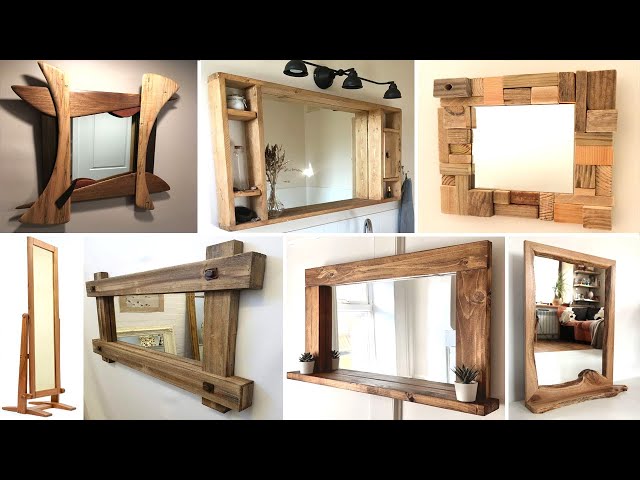
Rustic Mirror Frame
Estimated time: 1-2 hours. Create a rustic-style mirror by attaching a small mirror to a wooden frame and embellishing it with natural materials.
- Prepare the frame by sanding and cleaning it.
- Attach a small mirror to the back of the frame using adhesive.
- Decorate the frame using twine, dried flowers, or other natural materials.
Beaded Frame
Estimated time: 2-3 hours. This involves adorning a wooden frame with beads using glue or wire for a glamorous and elegant look.
- Prepare the frame by cleaning and possibly painting it.
- Select a variety of beads in different colors and sizes.
- Glue or wire the beads onto the frame in a chosen design.
- Seal the frame to secure the beads.
Mosaic Frame
Estimated time: 3-4 hours. Create a vibrant and unique mosaic design using small tiles or colored glass pieces.
- Prepare the frame’s surface.
- Apply adhesive to the frame.
- Arrange the mosaic pieces according to your design.
- Grout the mosaic and allow it to dry completely.
The ease of modification and customization inherent in wooden picture frames makes them perfect for crafting. Their adaptability caters to diverse skill levels and artistic visions, creating opportunities for self-expression and personalized creations. The final product’s quality reflects the effort invested, yielding handcrafted items with significant sentimental value.
Wooden picture frames offer a tangible and rewarding crafting experience. The versatility of the material combined with the wide array of decorative techniques that can be employed leads to endlessly unique pieces. This hands-on approach to creating personalized home dcor or gifts provides a profound sense of fulfillment and accomplishment.
Tips for Working with Wooden Picture Frames for Crafts
These tips offer guidance and recommendations for successfully completing craft projects using wooden picture frames. Following these suggestions will aid in optimizing the crafting process, resulting in a higher quality finished product. The tips range from material selection to finishing techniques, covering various aspects of the crafting process.
Careful consideration of these points enhances the overall crafting experience and leads to more polished and satisfying results. Each tip is intended to address potential challenges and optimize the creative process. Following these best practices contributes to the success of the chosen craft project.
-
Choose the Right Frame:
Consider the size, style, and wood type of the frame. Select a frame appropriate to the chosen project’s scale and desired aesthetic. The frame should be structurally sound and free of significant damage. The type of wood can impact the project’s overall look and feel; some woods are more easily stained or painted than others.
-
Prepare the Surface Properly:
Clean the frame thoroughly before starting any craft project. Sanding the surface may be necessary to ensure a smooth finish for painting or other decorative techniques. Proper surface preparation prevents issues with adhesion and ensures a professional-looking final product. This step is crucial for achieving optimum results.
-
Use Quality Materials:
Select high-quality paints, adhesives, and other crafting supplies. The durability and longevity of the finished product are significantly impacted by the quality of materials used. High-quality supplies provide better coverage, adhesion, and overall visual appeal. This investment contributes to a more professional and long-lasting outcome.
-
Plan Your Design:
Sketch out your design before beginning the project. This helps to visualize the final product and ensures a more coherent and balanced outcome. Planning allows for efficient material usage and prevents costly mistakes. A well-thought-out plan guides the crafting process, leading to better results.
-
Work in a Well-Ventilated Area:
If using paints or other potentially harmful substances, work in a well-ventilated area. Proper ventilation protects your health and prevents the build-up of harmful fumes. This precaution is essential for maintaining a safe and healthy crafting environment.
-
Protect Your Work Surface:
Cover your work surface with newspaper or a protective covering. This protects the surface from paint spills, glue residue, or other crafting materials. Protecting your workspace prevents damage and allows for easy cleanup. This practice helps maintain a clean and organized crafting area.
Careful preparation and the use of high-quality materials significantly contribute to the success of any craft project. Following these guidelines helps to avoid common pitfalls and produces a professional-looking finished product. The overall quality of the finished piece relies heavily on these preliminary steps.
The final results of your craft project are directly influenced by the attention to detail and planning that go into the process. These tips collectively enhance the overall crafting experience, resulting in a more satisfying outcome.
Frequently Asked Questions about Wooden Picture Frames for Crafts
This section addresses frequently asked questions concerning the use of wooden picture frames in crafting projects. The questions cover various aspects of the crafting process, from material selection to finishing techniques. These questions and answers aim to provide clear and comprehensive information.
What types of wood are best for crafting?
Softwoods like pine and fir are readily available and easy to work with, ideal for beginners. Hardwoods such as oak or maple offer greater durability and a more refined aesthetic. The choice depends on the specific project and the desired aesthetic outcome. Consider the project’s requirements when selecting the type of wood. The wood’s characteristics will impact the final result.
What kind of paint works best on wooden picture frames?
Acrylic paints are a popular and versatile choice due to their ease of application and quick drying time. Chalk paint offers a matte finish and is perfect for distressed or rustic styles. Consider the desired finish and the project’s requirements when selecting the paint. The type of paint significantly influences the project’s overall look and feel.
How can I seal a finished frame?
Varnish provides a protective layer against scratches and moisture damage. Polyurethane is another durable sealant option for added protection. Consider the project’s intended use and environmental conditions when choosing a sealant. The sealant protects the frame and extends the lifespan of the craft project.
Can I use reclaimed wooden frames for crafts?
Absolutely! Reclaimed frames add character and sustainability to your project. Inspect the frame for damage and clean it thoroughly before starting. Repurposing existing materials is an eco-friendly practice, promoting sustainable crafting. The unique history and imperfections of reclaimed wood add a unique touch.
Where can I find wooden picture frames for crafts?
Craft stores, flea markets, and online retailers offer a wide variety of options. Thrift stores and antique shops can be great sources for unique and affordable reclaimed frames. Consider the project’s requirements when selecting the source for the frames and prioritize quality.
Addressing these frequently asked questions enhances understanding and facilitates successful craft projects. The information provided aims to enhance the overall crafting experience and aid in overcoming potential challenges. The key is to carefully consider each aspect of the project.
Thorough planning and preparation are key to a successful outcome when utilizing wooden picture frames for crafting. Addressing any questions or concerns beforehand ensures a smooth and enjoyable creative process.
Key Aspects of Wooden Picture Frames for Crafts
Analyzing wooden picture frames for crafts from a noun perspective reveals key aspects: material, shape, size, and surface. These elements influence design choices, influencing final project appearance. Exploring these core components ensures a comprehensive understanding of this versatile crafting medium. Understanding these facets maximizes creative potential and project success.
Material
The type of woodpine, oak, etc.affects workability, durability, and aesthetic appeal. Different woods have unique grain patterns and color variations impacting the project’s final look. Hardwoods tend to be more durable and visually appealing, while softwoods are more readily available and easier to work with. The chosen material directly affects the overall outcome.
Shape
The frame’s shapesquare, rectangular, or even custom-cutdictates design possibilities and overall style. Traditional rectangular frames offer versatility, while unique shapes allow for more creative approaches. The shape influences the visual impact of the final craft project and guides design choices.
Size
Frame size determines the scale of the craft and affects the amount of decorative space available. Larger frames offer more surface area for intricate designs, while smaller ones suit simpler projects. The size impacts the overall design’s complexity and potential for embellishment.
Surface
The frame’s surfacewhether smooth, textured, or distressedinfluences the application of decorative techniques. Smooth surfaces are ideal for painting or delicate details, whereas textured surfaces can complement rustic or shabby-chic styles. The surface characteristics influence the choices of decorative methods and enhance the finished look.
These key aspectsmaterial, shape, size, and surfaceare interconnected and greatly impact the overall design and feasibility of any project involving wooden picture frames for crafts. Understanding these elements is crucial for maximizing creative potential and producing a high-quality finished product.
The successful implementation of any craft project employing wooden picture frames relies heavily on a clear understanding of these fundamental aspects. Carefully considering these elements enhances the crafting experience and contributes to a more satisfying and professional-looking outcome.
Wooden picture frames for crafts, therefore, offer a diverse and readily accessible material for a multitude of creative projects. Their unique properties and inherent aesthetic appeal make them a valuable tool for both beginner and expert crafters alike.
Ultimately, the adaptability and inherent beauty of wooden picture frames for crafts continue to inspire and empower countless creative endeavors. Their versatility allows for diverse applications and makes them a staple within the crafting world. The possibilities are endless.
Youtube Video: