 Mayumi Goya
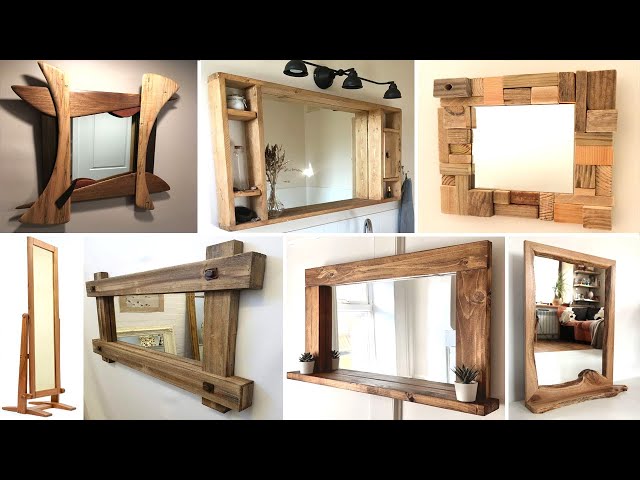
 Wood crafting frames offer a versatile and rewarding avenue for creative expression. From simple picture frames to intricate shadow boxes, the possibilities are vast. The inherent beauty of natural wood, combined with the precision of crafting, results in unique and personalized pieces. This exploration delves into various projects, providing step-by-step guidance for crafting a range of wooden frames. The techniques outlined are adaptable to different skill levels, encouraging both beginners and experienced crafters to explore the artistry of wood framing.
Wood crafting frames provide a tangible connection to the natural world, incorporating sustainable materials into aesthetically pleasing designs. The process allows for personalization, reflecting individual style and creativity. Whether it’s a rustic, minimalist, or ornate frame, the finished product becomes a testament to craftsmanship. Furthermore, the ability to tailor frames to specific artwork or photographs enhances their value and appeal. The wide range of wood types and finishing techniques further contributes to the versatility of this craft.
The creation of wood crafting frames demands attention to detail, from precise measurements to meticulous sanding and finishing. However, the rewards are well worth the effort, yielding heirloom-quality pieces that enhance any home or workspace. The skills learned are transferable to other woodworking projects, fostering a deeper appreciation for the craft. Through thoughtful design and careful execution, wood crafting frames transform ordinary materials into exceptional works of art.
Wood Crafting Frames
This section outlines several projects showcasing the diverse applications of wood crafting frames. Each example provides a detailed guide, assisting crafters of all experience levels in creating their own unique pieces. The projects range in complexity, offering options for both beginners seeking simple designs and experienced crafters looking for more challenging endeavors. The estimated time for completion varies depending on skill level and project complexity.
Simple Picture Frame
Estimated time: 1-2 hours. This project is ideal for beginners and involves creating a basic frame for a standard-sized photograph. It focuses on fundamental techniques like cutting, joining, and finishing wood. The simplicity of the design allows for easy customization through paint, stain, or other decorative elements.
- Measure and cut wood pieces to the desired dimensions.
- Assemble the frame using wood glue and clamps.
- Sand the frame to a smooth finish.
- Apply stain or paint.
- Attach a backing board and glass (optional).
Ornate Shadow Box
Estimated time: 4-6 hours. A shadow box allows for the display of three-dimensional objects. This project requires more intricate joinery and may involve carving or decorative elements. The final product is a sophisticated showcase for treasured mementos or collections.
- Design the shadow box dimensions and features.
- Cut and assemble the frame and back using mortise and tenon joinery (or similar).
- Carve or add decorative elements (optional).
- Sand and finish the wood.
- Install a glass front (optional).
Rustic Photo Collage Frame
Estimated time: 3-4 hours. This project uses reclaimed or rough-hewn wood for a unique rustic look. The process may involve repurposing old wood pieces, creating a frame with an uneven, weathered appearance. The collage format allows for multiple photos or mementos.
- Gather reclaimed wood and clean it thoroughly.
- Cut and assemble the frame pieces.
- Fill gaps and cracks (if needed).
- Sand the frame and apply a clear sealant.
- Add photos and mementos.
The beauty of wood crafting frames lies in their adaptability. They can be created in a variety of styles, using various types of wood and finishes. This adaptability allows the crafter to tailor the frame to the specific artwork or object being displayed, creating a cohesive and visually appealing presentation. The process of creating wood frames is a rewarding experience, blending creativity with craftsmanship.
The inherent versatility of wood crafting frames means that they are suitable for a wide range of applications, from simple picture frames to complex shadow boxes, enhancing their value as both functional and decorative items. The combination of natural materials and skillful craftsmanship elevates the aesthetic appeal of any space, showcasing the artisan’s talent and providing a lasting piece of art.
Tips for Creating Exceptional Wood Crafting Frames
These tips will help ensure your wood crafting frames are both beautiful and functional. Attention to detail and proper techniques are crucial for creating high-quality, long-lasting frames. Remember that practice and patience are key to mastering these techniques.
Following these guidelines will greatly enhance your crafting experience and the quality of your finished product. Proper preparation and planning are crucial for minimizing errors and achieving optimal results. Experimentation and creativity are encouraged to create unique and personalized frames.
-
Choose the Right Wood:
Select wood appropriate for the project’s complexity and desired aesthetic. Hardwoods like oak or maple offer durability, while softer woods like pine are easier to work with. Consider the wood’s grain, color, and potential for finishing.
-
Precise Measurements:
Accurate measurements are critical for a well-fitting frame. Double-check all measurements before cutting to minimize errors and ensure the frame fits the artwork perfectly. Using a measuring tape and square is highly recommended.
-
Proper Joinery:
Use appropriate joinery techniques for your skill level and frame design. Simple butt joints are suitable for beginners, while more advanced techniques like miter joints provide a cleaner, more professional look. Consider using wood glue and clamps for a strong bond.
-
Meticulous Sanding:
Sanding is crucial for achieving a smooth, professional finish. Use various grit sandpaper, starting with coarser grits to remove imperfections and finishing with finer grits for a smooth, even surface. Pay attention to corners and edges for a refined look.
-
Appropriate Finishing:
The finish protects the wood and enhances its appearance. Choose a finish that complements the wood and the overall design. Options include stains, paints, varnishes, and sealants. Consider the durability and water resistance of the finish.
With careful planning and execution, creating impressive wood crafting frames becomes an achievable goal. The satisfaction derived from crafting a unique piece surpasses mere functionality; it’s an expression of creativity and craftsmanship. The final result, a beautifully crafted frame, becomes a cherished item.
The attention to detail throughout the process results in a superior final product. The combination of the natural beauty of wood and the precision of craftsmanship elevates the finished frame beyond its utilitarian purpose, transforming it into a piece of art.
Frequently Asked Questions about Wood Crafting Frames
This section addresses common questions regarding the creation and care of wood crafting frames. These questions and answers provide clarification on essential aspects of the crafting process, ensuring success for crafters of all skill levels. Understanding these details improves the quality and longevity of your creations.
What types of wood are best for framing?
Hardwoods like oak, maple, and cherry are excellent choices for their durability and aesthetic appeal. Softer woods like pine are easier to work with for beginners but may require more careful handling. The choice depends on the project’s complexity and your skill level. Consider factors such as grain, color, and ease of finishing.
How do I choose the right joinery technique?
The best joinery technique depends on the frame’s design and your experience. Simple butt joints are easy for beginners, while miter joints provide a more professional look. More advanced techniques like mortise and tenon joints offer superior strength and stability. Consider the projects complexity and your comfort level with different methods.
Addressing these common questions helps to clarify the process and achieve satisfactory results. Thorough planning and preparation are crucial for a successful project, leading to pride in the creation of a unique and well-crafted frame. The knowledge gained empowers the crafter to tackle more complex projects in the future.
Understanding these frequently asked questions assists in creating high-quality, long-lasting frames. The information provided serves as a valuable resource for both novice and experienced woodworkers, aiding in the successful completion of a wide variety of projects.
Key Aspects of Wood Crafting Frames
Understanding these key aspects ensures successful creation of durable and aesthetically pleasing frames. These facets, from material selection to finishing techniques, significantly impact the final product’s quality and longevity. Careful consideration of each aspect is crucial for crafting exceptional wooden frames.
Materials
Wood selection is crucial, considering hardness, grain, and aesthetics. The type of wood greatly influences the frame’s durability, appearance, and workability. Different woods require different tools and techniques for optimal results.
Tools
Appropriate tools are essential for precise cuts, smooth surfaces, and overall quality. Basic tools include saws, chisels, sandpaper, and clamps. Advanced projects may require specialized tools for intricate joinery or decorative elements.
Techniques
Joinery techniques are critical for frame strength and stability. Choosing the right techniquebutt, miter, or mortise and tenonimpacts the frame’s durability and overall appearance. The selection aligns with the project complexity and the crafter’s skill.
Finishes
Finishes protect the wood and enhance its visual appeal. Various finishesstains, paints, varnishes, or sealantsimpact the frame’s durability, color, and sheen. Selecting the appropriate finish protects the wood and enhances its aesthetic appeal.
The combination of material, tools, techniques, and finishing results in a superior end product. This integrated approach to frame making is crucial for developing the necessary skills to create high-quality, long-lasting, and visually appealing frames.
The art of wood crafting frames transcends mere functionality; it is a testament to craftsmanship and creativity. The ability to transform raw materials into aesthetically pleasing and functional objects fosters a sense of pride and accomplishment. The detailed attention to each step elevates the finished product.
The process of creating wood crafting frames is not merely about constructing a frame; its about engaging in a creative process. The careful selection of materials, the precision of the cuts, and the thoughtful application of finishes all contribute to the creation of a truly unique and personal piece. Its an exercise in craftsmanship and artistry.
Ultimately, the success of wood crafting frames hinges on a comprehensive understanding and execution of these fundamental aspects. Mastering these elements elevates the craft, enabling the creation of stunning and durable pieces. The careful attention to detail ensures a finished product that is both functional and aesthetically pleasing.
Youtube Video: