 Mayumi Goya
 Valentine’s Day crafts for toddlers offer a wonderful opportunity to foster creativity and fine motor skills while celebrating the holiday. These simple projects provide engaging activities, allowing young children to express their love and affection in a fun, hands-on way. The process itself is as valuable as the finished product, encouraging self-expression and building confidence. Moreover, these crafts can be adapted to different skill levels, ensuring every toddler can participate and feel a sense of accomplishment. Creating lasting memories, these activities also strengthen parent-child bonds through shared experiences.
Valentine’s Day crafts for toddlers are incredibly beneficial for their development. The tactile nature of many crafts helps refine dexterity and hand-eye coordination, crucial skills for their overall development. Additionally, these activities stimulate imagination and encourage self-expression, allowing toddlers to communicate their feelings and ideas creatively. The focus on simple, manageable steps allows for success and boosts self-esteem, fostering a positive attitude towards creative endeavors. Choosing age-appropriate projects ensures children remain engaged and motivated throughout the process, leading to a fulfilling experience.
Furthermore, the collaborative nature of many Valentine’s Day craft activities promotes social skills. Whether working independently or alongside siblings or parents, toddlers learn to share materials and work together, fostering teamwork and cooperation. The sense of accomplishment derived from completing a project provides a tangible reward, reinforcing positive behavior and motivating future creative explorations. The use of bright, vibrant colors and appealing materials adds to the sensory experience, further enriching the learning process. The themes of love and friendship inherently woven into Valentine’s Day crafts contribute to the overall positive emotional environment.
Simple Valentine’s Day Crafts for Toddlers
The following projects are designed to be engaging and easy for toddlers to complete, with minimal adult assistance required. Each craft focuses on fundamental skills development and uses readily available materials. Remember to supervise toddlers closely during crafting time to ensure safety. Estimated completion times are provided for guidance, and may vary depending on the child’s focus and skill level.
Heart-Shaped Handprint Cards
This project is a classic and quick way to create personalized Valentine’s cards. Estimated time: 15-20 minutes.
- Trace the toddler’s hand onto red or pink construction paper to create a heart shape.
- Cut out the heart shape.
- Decorate the heart with glitter, stickers, or crayons.
- Glue the heart onto a piece of cardstock.
- Write a simple message like “I love you!”
Paper Plate Valentine’s Hearts
Transforming simple paper plates into adorable Valentine’s Day decorations is a fun and easy craft. Estimated time: 20-30 minutes.
- Fold a paper plate in half and then in half again.
- Cut out heart shapes along the folds.
- Unfold the plate to reveal the heart pattern.
- Decorate with crayons, markers, paint, or stickers.
- Add a ribbon or string for hanging.
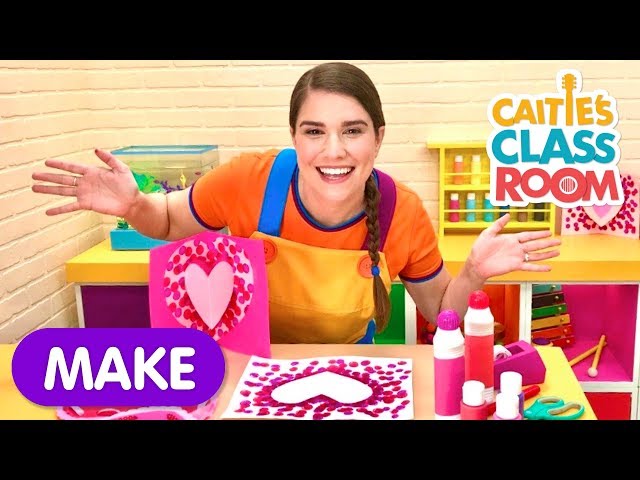
Fingerprint Valentine’s Cards
This craft utilizes the toddler’s fingerprints to create a unique and personal touch. Estimated time: 15-20 minutes.
- Dip a toddler’s finger into paint.
- Press their finger onto a piece of cardstock to create a fingerprint heart.
- Repeat for multiple hearts, or arrange fingerprints in a pattern.
- Add simple embellishments such as glitter or stickers.
- Write a short message.
Yarn-Wrapped Hearts
This project introduces toddlers to the concept of wrapping and texture. Estimated time: 25-35 minutes.
- Cut out large heart shapes from cardboard.
- Give the toddler various colors of yarn to wrap around the cardboard hearts.
- Use glue to secure the yarn ends.
- Add embellishments like glitter or sequins.
- Allow the hearts to dry completely.
The simplicity of these Valentine’s Day crafts for toddlers makes them ideal for group settings, such as preschools or daycare centers. The variety of approaches caters to different developmental stages and interests within a group of toddlers. The overall experience promotes a sense of community and shared achievement amongst the children involved. The minimal mess and easy cleanup also contribute to the practicality of these activities within a busy classroom or home environment. The inherent fun and engagement make it a truly enjoyable experience for both children and caregivers.
These Valentine’s Day crafts for toddlers provide opportunities for learning and growth beyond the mere creation of a craft. The focus on process over product encourages patience, perseverance, and a positive self-image, irrespective of the final result. The emphasis on collaboration encourages the development of social skills, building confidence and teamwork abilities. It’s a perfect occasion to combine learning and fun, creating memories that last long after the Valentine’s Day celebrations have ended. The potential for creativity and self-expression allows each toddler to showcase their unique personality and talents in a fun and festive way.
Tips for Valentine’s Day Crafts with Toddlers
Successfully engaging toddlers in crafts requires planning and preparation. These tips ensure a smooth, enjoyable experience, maximizing the benefits for both the child and the caregiver.
Creating a positive and supportive environment is paramount to a successful crafting session. Prioritize safety by selecting non-toxic materials and providing age-appropriate tools. Keep the project simple and manageable to avoid frustration and maintain the child’s interest. Remember to focus on the process rather than the final product, celebrating every step of the way. Maintaining a relaxed and patient attitude will greatly enhance the overall crafting experience.
-
Choose age-appropriate projects:
Select crafts with simple steps and minimal tools. Avoid anything with small parts that could be a choking hazard. Opt for projects that build upon the toddler’s existing skills and introduce new concepts gradually.
-
Prepare materials beforehand:
Have all necessary materials ready and organized before starting the craft. This minimizes disruptions and keeps the toddler focused on the task. Pre-cut shapes and pre-measured materials can significantly reduce the time and effort required.
-
Embrace the mess:
Toddlers are naturally messy, and crafting is no exception. Protect work surfaces and clothing accordingly. View messes as a part of the creative process, focusing on the learning and enjoyment aspects of the activity. A relaxed attitude regarding messes can alleviate stress for both the caregiver and the child.
-
Focus on the process, not the product:
Emphasize the enjoyment of the crafting experience itself, rather than the perfection of the final result. Praise the toddler’s effort and creativity, regardless of how the finished product looks. This promotes a positive self-image and encourages continued creative exploration.
-
Allow for independence:
While supervision is crucial, provide opportunities for toddlers to explore and experiment independently. Allow them to make choices regarding colors, materials, and designs. This fosters self-expression and creativity. Providing guidance and gentle suggestions encourages independence without overwhelming the child.
-
Clean up together:
Make cleanup a collaborative effort. Involve the toddler in the process, assigning simple tasks like putting away crayons or wiping the table. This teaches responsibility and reinforces the value of teamwork. Turning cleanup into a game can add a fun element to an otherwise tedious task.
Remember that the goal is to have fun and create lasting memories. Adapting the craft ideas to the toddler’s individual needs and preferences will ensure the activity is both engaging and developmentally beneficial. Flexibility and patience are key ingredients for a successful crafting session, transforming a simple activity into a valuable learning experience.
Focusing on the joy and process of creating rather than a perfectly executed final product is essential. The sensory experience, the opportunity for self-expression, and the development of fine motor skills are all equally valuable outcomes of Valentines Day crafts for toddlers. The positive emotional bonds formed during shared creative experiences will be cherished long after the crafts are made.
Frequently Asked Questions about Valentine’s Day Crafts for Toddlers
Parents and caregivers often have questions about the appropriateness and practicality of Valentine’s Day crafts for toddlers. Addressing these common concerns helps ensure a successful and enriching experience.
-
What are the safest materials to use?
Opt for non-toxic, washable paints, crayons, and glue. Avoid small parts that could pose a choking hazard. Consider using natural materials like construction paper, yarn, and felt. Always supervise young children closely to prevent accidental ingestion or misuse of materials.
-
How can I make the crafts age-appropriate?
Choose projects with simple steps and large, easy-to-handle pieces. Provide ample assistance and break down complex tasks into smaller, manageable steps. Focus on the process rather than the outcome, praising effort and creativity above perfection.
-
What if my toddler doesn’t want to participate?
Don’t force it! Respect their preferences. Offer alternative activities or revisit crafting another time. Ensure a positive and non-pressuring environment. Consider introducing crafts gradually to build comfort and interest. Keep it light and fun.
-
How can I involve my toddler in the cleanup process?
Make it a game! Assign simple tasks like picking up crayons or wiping the table. Praise their contributions. Positive reinforcement can transform cleanup from a chore into a collaborative activity. Keep expectations realistic given their age and capabilities.
-
Where can I find inspiration for Valentine’s Day crafts for toddlers?
Numerous websites and blogs offer free craft ideas. Pinterest and other social media platforms provide visual inspiration. Children’s craft books offer a wealth of ideas and instructions. Remember to adapt any ideas to suit your toddler’s specific developmental stage and abilities.
Open communication and collaboration with your toddler during these activities builds confidence and strengthens your bond. Addressing potential concerns proactively creates a more enjoyable and successful crafting experience. The overall value lies in the shared time and the development of crucial skills and self-expression.
Adaptability is key. Remember to adjust the complexity and length of the activity based on your toddler’s attention span and developmental stage. Keep it fun, and the result will be a cherished memory of shared creativity and bonding.
Key Aspects of Valentine’s Day Crafts for Toddlers
Considering the noun “crafts” as the central point, we can examine several key facets. These elements collectively contribute to the overall value and effectiveness of these activities for young children.
Creativity
Valentine’s Day crafts provide an outlet for toddlers to express their imagination and create unique items. The freedom to choose colors, materials, and designs fosters self-expression and confidence. The process itself is a valuable creative experience, nurturing imagination and problem-solving skills. The childs individual interpretation adds unique character to each craft.
Skill Development
These crafts enhance fine motor skills through activities like cutting, gluing, and painting. Hand-eye coordination improves as toddlers manipulate small objects. Dexterity and control are developed with practice and repetition, laying a foundation for future artistic endeavors. These skills are essential for everyday life.
Sensory Exploration
The various textures, colors, and materials used in these crafts provide rich sensory experiences for toddlers. This stimulation enhances cognitive development and encourages exploration. Tactile exploration and visual engagement are vital for brain development. The multi-sensory aspect further enhances engagement and learning.
Emotional Expression
Crafting provides a non-verbal means for toddlers to express their feelings. Creating a Valentine’s Day gift for a loved one fosters empathy and strengthens relationships. The positive emotions associated with the act of creation build confidence and self-esteem. This creative outlet benefits their social and emotional growth.
Bonding Experience
Shared crafting sessions foster strong bonds between toddlers and caregivers. The collaborative nature strengthens parent-child relationships. These shared experiences create lasting memories and promote positive interactions. These activities contribute to a child’s sense of security and belonging.
Each aspect intertwines to create a holistic developmental experience. The engagement with different textures, the development of fine motor skills, and the expression of creativity all contribute to a well-rounded learning opportunity. The positive emotions associated with successful creation and shared time foster a strong sense of accomplishment and connection.
Valentines Day crafts for toddlers are more than just a festive activity; they are valuable tools for learning and development. The focus on simple, engaging projects allows children to explore their creativity, refine their skills, and experience the joy of giving. The process encourages independence, self-expression, and strengthens the bond between the child and caregiver.
The positive impact on emotional development, fine motor skills, and creative expression solidifies the importance of integrating these crafts into early childhood experiences. The memory of shared creativity and the sense of accomplishment will remain long after the holiday has passed. The holistic benefits make these crafts a meaningful addition to Valentines Day celebrations for toddlers.
In conclusion, Valentine’s Day crafts for toddlers are a valuable and engaging activity with numerous developmental benefits. The combination of fun, creativity, and skill-building makes these crafts a worthwhile addition to any Valentine’s Day celebration.
Youtube Video: