 Mayumi Goya
 Thanksgiving Day crafts for preschoolers offer a delightful way to celebrate the holiday and foster creativity. These activities provide opportunities for fine motor skill development, color recognition, and imaginative expression, making them a valuable addition to early childhood education. Engaging children in these projects cultivates a sense of accomplishment and strengthens family bonds. The process itself is educational, teaching children about shapes, patterns, and textures, while simultaneously allowing them to explore their artistic talents. Moreover, the resulting crafts can serve as cherished keepsakes, marking the holiday with personal significance.
Thanksgiving Day crafts for preschoolers are not merely enjoyable activities; they provide significant developmental benefits. Young children develop fine motor skills through the precise movements required in many crafts, such as cutting, gluing, and manipulating small objects. The use of various colors and textures stimulates sensory exploration and enhances cognitive development. The process of creating something tangible fosters a sense of pride and accomplishment, boosting self-esteem. Through collaborative projects, children also learn to work together, share ideas, and appreciate teamwork.
Furthermore, the thematic nature of Thanksgiving Day crafts for preschoolers reinforces learning about the holidays traditions and values. Children learn about the harvest, gratitude, and sharing through hands-on activities that connect them to the cultural significance of Thanksgiving. These crafts are readily adaptable to various skill levels, ensuring inclusivity and success for all participants. The overall experience fosters a positive association with learning and creative expression, creating lasting memories.
Thanksgiving Day Crafts for Preschoolers
The following Thanksgiving-themed craft projects are designed to be engaging and appropriate for preschoolers. Each project emphasizes simple steps, readily available materials, and a focus on creative expression. The estimated completion times are approximate and may vary depending on the childrens age and skill levels.
Leaf Pile Painting
Estimated time: 20-30 minutes. This sensory activity allows children to explore textures and colors. They can use their hands to create beautiful autumnal artwork.
- Gather various colored leaves.
- Spread a large sheet of paper on a flat surface.
- Dip the leaves in different colored paints.
- Let the children use the painted leaves as stamps on the paper.
- Allow the painting to dry completely.
Paper Plate Turkeys
Estimated time: 30-45 minutes. This craft utilizes readily available materials to create adorable turkey decorations.
- Cut out the center of a paper plate to form a turkey body.
- Cut out small strips of construction paper for feathers.
- Glue the feathers onto the back of the paper plate.
- Cut out a small circle for the turkey head and glue it to the top.
- Add googly eyes and a beak using markers or construction paper.
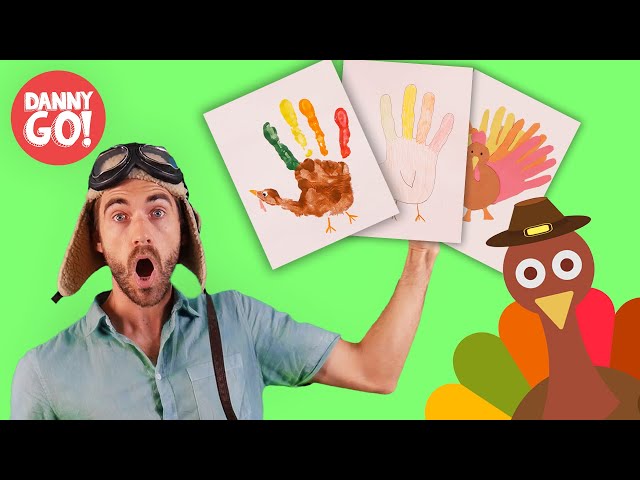
Handprint Turkeys
Estimated time: 15-20 minutes. This simple project utilizes handprints to create festive turkeys. It’s perfect for younger preschoolers.
- Trace the child’s hand on different colored construction paper.
- Cut out the handprints.
- Arrange the handprints to form a turkey, using one as the body and the rest as feathers.
- Glue the handprints together.
- Add a head and beak using construction paper or markers.
Corn Cob People
Estimated time: 25-35 minutes. This craft utilizes corn cobs as the base for fun little people. It promotes creativity and fine motor skills.
- Gather dried corn cobs.
- Use various craft supplies like googly eyes, yarn, buttons, and construction paper to decorate the corn cobs as people.
- Glue the accessories onto the corn cobs.
- Allow the glue to dry completely.
Pumpkin Decorating
Estimated time: 30-45 minutes. This classic Thanksgiving activity allows for creativity and self-expression.
- Provide small pumpkins.
- Offer various decorating materials: paint, markers, stickers, glitter, etc.
- Let the children decorate their pumpkins freely.
- Allow the paint to dry if used.
Pinecone Turkeys
Estimated time: 20-30 minutes. This nature-inspired craft uses pinecones as a base for adorable turkeys.
- Gather pinecones.
- Use craft supplies such as felt, googly eyes, and small pom-poms to create turkey features.
- Glue the features onto the pinecones.
- Allow the glue to dry completely.
Handprint Pilgrim Hats
Estimated time: 15-20 minutes. A simple handprint craft perfect for exploring colors and shapes.
- Trace children’s hands on black construction paper.
- Cut out the handprints.
- Add buckles using yellow construction paper.
- Allow the children to decorate the hats further with markers or crayons.
Thanksgiving Day crafts for preschoolers offer more than just festive fun; they provide a valuable learning experience. The hands-on nature of these activities strengthens fine motor skills, improves hand-eye coordination, and encourages creative thinking. The imaginative element stimulates problem-solving skills as children learn to work with different materials and design their own creations. The shared experience of making these crafts helps to build social skills and create a sense of community among the children.
Furthermore, the act of creating something tangible provides a strong sense of accomplishment and boosts self-esteem in young children. The finished products serve as tangible reminders of the holiday and the learning experience, fostering positive memories that can be cherished for years to come. These crafts are not just temporary activities; they are building blocks for future creativity and personal growth.
Tips for Successful Thanksgiving Day Crafts for Preschoolers
Creating a positive and productive crafting experience for preschoolers involves thoughtful planning and preparation. The following tips can help ensure a successful and enjoyable craft session for both children and adults.
-
Age-Appropriate Projects:
Select projects suitable for the preschoolers’ developmental stage and fine motor skills. Simple, less intricate crafts are generally best for younger children. Avoid overly complex designs or techniques that may frustrate them. Offer variations of the project to cater to differing skill levels. Provide assistance as needed, but encourage independence where possible.
-
Prepare Materials in Advance:
Gather all necessary materials beforehand to avoid interruptions during the craft session. Pre-cut shapes or pieces can save time and reduce frustration, particularly for younger children. Have extra supplies on hand to accommodate mistakes or unexpected needs. Organize materials in easily accessible containers or trays to streamline the process.
-
Set Up a Dedicated Workspace:
Designate a specific area for crafting to minimize mess and ensure safety. Cover surfaces with newspaper or drop cloths to protect them from spills and paint. Provide each child with their own workspace to encourage independence and reduce distractions. Ensure sufficient lighting to facilitate clear vision and detailed work.
-
Emphasize Process over Product:
Focus on the enjoyment and learning process, rather than achieving a perfect final product. Praise effort and creativity, regardless of the final outcome. Encourage experimentation and exploration of different techniques and materials. Emphasize the importance of participation and collaboration rather than competition.
-
Incorporate Sensory Exploration:
Incorporate various textures and materials to enhance sensory engagement. Allow children to explore the materials before starting the craft. This can be particularly helpful for children with sensory sensitivities. Provide opportunities for different types of manipulation, such as cutting, gluing, painting, and molding.
-
Clean Up Routine:
Establish a clear clean-up routine from the beginning. Assign tasks to children appropriately, such as wiping tables or putting away materials. Make clean-up part of the overall craft experience, not an afterthought. This promotes responsibility and teamwork. Ensure appropriate waste disposal methods are followed.
Thanksgiving Day crafts for preschoolers are more than just a fun activity; they represent a valuable educational opportunity. The carefully chosen materials and step-by-step instructions contribute to a structured learning environment, allowing children to develop key skills in a relaxed and creative atmosphere. The focus on teamwork and collaboration enhances social skills and promotes a positive group dynamic.
Furthermore, the sense of accomplishment derived from creating something beautiful and meaningful boosts self-confidence and self-esteem. The finished crafts act as cherished memories of the Thanksgiving holiday, serving as a reminder of the fun and learning experienced during this special time. These crafted items can be displayed proudly, creating a festive atmosphere and a lasting legacy of the holiday.
Frequently Asked Questions about Thanksgiving Day Crafts for Preschoolers
This section aims to address common queries about planning and executing Thanksgiving Day crafts with preschool-aged children. It offers practical advice and guidance based on experience and best practices.
What are some easy Thanksgiving crafts for very young preschoolers?
Simple projects like handprint turkeys, leaf rubbings, or decorating paper plates are excellent choices for very young children. These crafts utilize basic materials and require minimal fine motor skills. Keep the steps simple and focus on the process of creation rather than achieving a perfect end product. Adult supervision is crucial, especially with younger children using scissors or glue.
How can I make Thanksgiving crafts more engaging for preschoolers?
Incorporate sensory elements such as different textures, colors, and smells. Use a variety of materials beyond the standard paper and glue. Let the children help gather natural materials for the crafts, such as leaves or pinecones. Play Thanksgiving-themed music in the background to enhance the atmosphere. Most importantly, adapt the projects to suit the children’s individual interests and skill levels.
What are some ways to avoid messy situations during Thanksgiving crafts?
Use washable paints and easily cleanable surfaces. Cover work areas with newspaper or drop cloths. Provide aprons or smocks to protect clothing. Encourage children to use paint palettes or trays to limit spills. Supervise closely, especially when using glue or scissors. Establish clear clean-up procedures at the beginning of the activity and make it part of the craft experience.
How can I ensure all preschoolers participate actively in the Thanksgiving crafts?
Offer a variety of project options to cater to different skill levels and interests. Provide assistance to children who need help but encourage independence wherever possible. Break down complex tasks into smaller, more manageable steps. Focus on the process and enjoyment of the activity, rather than the final product. Emphasize collaboration and teamwork, fostering a supportive and inclusive environment.
What are some ways to incorporate storytelling or learning into Thanksgiving crafts?
Read Thanksgiving-themed books or share stories before or during the craft activity. Discuss the history and traditions of Thanksgiving. Incorporate elements of the harvest into the crafts, such as using real leaves or corn husks. Let the children share their own stories and experiences related to the holiday. Connect the crafts to other learning activities, reinforcing concepts about shapes, colors, and numbers.
Thanksgiving Day crafts for preschoolers are a wonderful way to celebrate the holiday and foster creativity and learning. By carefully considering the developmental stages of the children and adapting the projects accordingly, educators and parents can create a fun and educational experience for everyone involved. The emphasis should always be on participation and enjoyment, fostering a sense of accomplishment and shared celebration.
The positive impact of these crafts extends beyond the immediate activity, promoting skill development, creativity, and a deeper understanding of Thanksgiving traditions. The resulting crafts can serve as cherished keepsakes, reminding the children and their families of the special time shared together.
Key Aspects of Thanksgiving Day Crafts for Preschoolers
Understanding the various facets of Thanksgiving Day crafts for preschoolers allows for a more enriched and beneficial experience. These activities serve as a springboard for multifaceted development, exceeding simple craft creation. Effective planning considers multiple perspectives, ensuring inclusivity and maximizing positive outcomes.
Developmental Benefits
These crafts significantly contribute to a childs development. Fine motor skills are enhanced through precise movements such as cutting and gluing. Cognitive development is stimulated by color recognition and pattern creation. Social-emotional growth occurs through collaboration and shared experiences. The feeling of accomplishment fosters self-esteem and confidence. These benefits contribute to a well-rounded educational experience that extends beyond the immediate activity.
Creativity and Imagination
Thanksgiving crafts are a potent vehicle for fostering creativity and imagination. Open-ended projects encourage free expression and exploration. Children’s unique interpretations and designs reflect their individual personalities and artistic talents. This uninhibited creative process is essential for healthy cognitive development and encourages self-discovery.
Thematic Learning
Thanksgiving crafts inherently integrate learning about the holiday’s history and traditions. Children acquire knowledge about the harvest, gratitude, and family through hands-on activities. This thematic approach enhances learning retention and connects abstract concepts to concrete experiences. Crafts can effectively serve as tools to enhance historical and cultural understanding.
Family Bonding
Engaging in Thanksgiving crafts strengthens family bonds. Shared crafting time provides opportunities for interaction, communication, and collaboration. These activities cultivate a sense of unity and shared accomplishment. The resulting crafts become treasured keepsakes, acting as tangible reminders of special moments shared as a family.
The key aspects highlighted showcase the substantial value of Thanksgiving Day crafts for preschoolers, extending beyond simple entertainment. Careful selection of projects and thoughtful guidance maximize the learning and developmental opportunities presented.
Successful Thanksgiving Day crafts for preschoolers require careful planning and execution. By emphasizing age-appropriate projects, providing a supportive environment, and focusing on the process as much as the product, educators and parents can create a memorable and enriching experience for young children. The resulting crafts become cherished keepsakes, symbolizing the spirit of Thanksgiving and the joy of shared creativity.
In conclusion, Thanksgiving Day crafts for preschoolers provide a valuable opportunity to combine festive fun with crucial educational benefits, enhancing cognitive, social, and emotional development while strengthening family bonds and fostering creativity.
Youtube Video: