 Mayumi Goya
 Simple crafts for preschoolers offer a fantastic avenue for fostering creativity, fine motor skills, and cognitive development. These engaging activities provide opportunities for self-expression and learning through hands-on experiences, transforming everyday materials into delightful creations. The projects are designed to be accessible and enjoyable, catering to the developmental stage of young children. This exploration delves into several simple craft ideas suitable for preschool settings, emphasizing ease of execution and maximum engagement for young learners. The benefits extend beyond mere entertainment; these crafts aid in skill development and build confidence in young children.
Simple crafts for preschoolers provide a valuable learning experience, extending beyond the fun and engaging nature of the activities. These crafts cultivate fine motor skills crucial for writing and other essential daily tasks. The process of creating encourages problem-solving skills, as children adapt to challenges and experiment with different approaches. Furthermore, the completion of a project builds self-esteem and a sense of accomplishment in preschoolers. These activities provide opportunities for self-expression and creativity, allowing young children to communicate their thoughts and ideas in a tangible manner.
The selection of materials for simple crafts for preschoolers is also crucial. Opting for non-toxic and age-appropriate materials is paramount for safety. The crafts should be designed to minimize frustration and maximize the feeling of success, encouraging continued participation and a positive learning experience. Considering the attention spans of young children, the projects should be relatively short and achievable within a limited timeframe. Providing clear and concise instructions is essential for ensuring the activity remains engaging and frustration-free.
Simple Crafts for Preschoolers
The following examples illustrate simple, engaging craft projects ideal for preschoolers. Each project utilizes readily available materials and follows straightforward instructions. The estimated completion times are provided as guidelines and may vary depending on the children’s individual paces and levels of engagement. The emphasis is placed on fostering creativity and developing fundamental skills without undue complexity or pressure.
Paper Plate Animals
Estimated time: 20-30 minutes. This craft teaches basic shapes and colour recognition. Children can create a variety of animals using paper plates, paint, and construction paper.
- Provide each child with a paper plate.
- Let them choose colours and paint the plates.
- Cut out shapes from construction paper (ears, tails, eyes, etc.).
- Glue the shapes onto the painted plates to create different animals.
Nature Collages
Estimated time: 30-45 minutes. This craft encourages exploration of the natural world and enhances creativity. Children can create unique collages using leaves, twigs, flowers, and other natural materials.
- Gather natural materials on a nature walk.
- Provide each child with a piece of cardstock or construction paper.
- Let them arrange the natural materials on the paper.
- Use glue to secure the items onto the paper.
Salt Dough Ornaments
Estimated time: 45 minutes 1 hour (plus drying time). This craft introduces basic sculpting skills and provides a keepsake to take home. Children can create simple shapes and decorate them with paint.
- Mix flour, salt, and water to create salt dough.
- Let children roll, shape, and cut out desired shapes.
- Bake the ornaments until hardened.
- Once cool, decorate with paint and glitter.
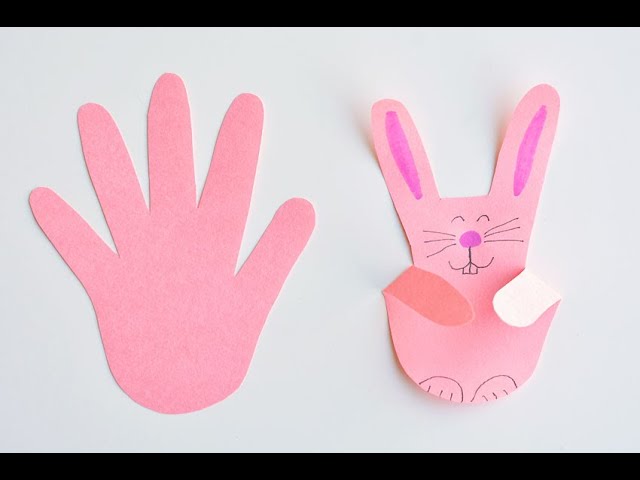
Handprint Art
Estimated time: 15-20 minutes. This craft is quick, easy, and provides a sentimental keepsake. Children can use their handprints to create various designs.
- Apply paint to the child’s hand.
- Press their hand onto paper to make a handprint.
- Add details like fingers, eyes, or other elements to create animals or figures.
Toilet Paper Roll Crafts
Estimated time: 20-30 minutes. This craft is economical and allows for creative expression. Children can transform empty toilet paper rolls into various objects.
- Provide empty toilet paper rolls.
- Encourage the use of paint, markers, and other craft supplies to transform them.
- Glue on additional materials such as construction paper, googly eyes or yarn.
Simple crafts for preschoolers are more than just fun; they are powerful learning tools. These hands-on experiences help children develop crucial skills that will serve them well throughout their lives. The sense of accomplishment and pride children experience when completing a craft project boosts their self-confidence and encourages further creative exploration.
The simplicity of the crafts ensures accessibility for all preschoolers, regardless of their skill level. This inclusive approach fosters a sense of accomplishment and boosts self-esteem, crucial for healthy development. The emphasis on creativity and self-expression allows each child to showcase their unique personality and perspective through their handmade creations.
Tips for Successful Simple Crafts for Preschoolers
Creating a positive and productive crafting experience for young children requires thoughtful planning and preparation. By considering these key tips, educators and caregivers can maximize the educational and developmental benefits of these activities. Remember, the goal is to nurture creativity and learning in a fun and supportive environment.
Prioritizing safety and ease of use should guide all choices made for these activities. The materials chosen should be age-appropriate, non-toxic, and easy to handle. Clear, simple instructions and adequate supervision are also essential for a smooth experience. Remember, the aim is fun and learning, not perfection.
-
Prepare in Advance:
Gather all necessary materials beforehand. Pre-cutting shapes or prepping paint palettes can save valuable time during the activity, allowing more time for creative exploration rather than preparation. This ensures a smooth and efficient crafting session.
-
Keep it Simple:
Choose projects with a limited number of steps and easily attainable outcomes. Avoid overly complex instructions or techniques that might frustrate young children. Simple designs and readily available materials are key.
-
Encourage Creativity:
Avoid strict adherence to templates or patterns. Instead, encourage children to explore their creativity by experimenting with colours, shapes, and designs. Let their imaginations guide the process.
-
Embrace Messes:
Crafting can be messy, and that’s okay! Have drop cloths or newspaper readily available, and focus on the learning and fun, rather than preventing every spill or stain. Embrace the process as part of the experience.
-
Focus on the Process:
Don’t focus solely on the final product. Emphasize the enjoyment of the process and the development of skills. Praise effort and participation, rather than just the final outcome.
-
Clean Up Together:
Make clean-up a collaborative activity. Involving children in the clean-up process teaches responsibility and reinforces the concept that every activity has a beginning and an end. It also promotes teamwork.
Simple crafts for preschoolers are an invaluable tool for early childhood education. They offer a unique blend of fun and learning, allowing children to express themselves creatively while developing crucial skills. The inherent simplicity of the crafts ensures accessibility and success for all participants.
The benefits extend far beyond the immediate activity. These experiences build confidence, foster problem-solving abilities, and encourage social interaction. By carefully selecting projects and employing appropriate techniques, educators and caregivers can create a rich and rewarding crafting experience for preschoolers.
Frequently Asked Questions about Simple Crafts for Preschoolers
Choosing and implementing simple crafts for preschoolers can present several questions. This FAQ section addresses some common concerns and offers practical solutions for educators and caregivers to maximize engagement and learning.
What types of materials are best for simple crafts for preschoolers?
Prioritize non-toxic, washable materials that are easy for little hands to manipulate. Construction paper, paint (washable!), glue sticks, yarn, and natural materials like leaves and twigs are all excellent choices. Avoid small parts that could pose a choking hazard.
How can I adapt crafts for children with different abilities?
Adapt projects to suit individual needs and abilities. For children with limited fine motor skills, pre-cut shapes or larger tools can be provided. For children who need more support, offer one-on-one assistance or break the project into smaller, more manageable steps.
How do I keep preschoolers engaged during a craft activity?
Keep instructions simple and clear. Provide a variety of materials and colours to encourage creative expression. Play music in the background. Break the activity into smaller segments with short breaks to maintain focus. Offer positive reinforcement and praise.
What if a child’s craft doesn’t turn out “perfect”?
Emphasize the process and the fun, not the final product. Celebrate their efforts and creativity, regardless of the outcome. A “perfect” craft is less important than the experience of creating and learning.
How can I incorporate simple crafts into a preschool curriculum?
Integrate crafts into various learning areas, such as science (nature collages), math (shapes and patterns), and language arts (story-related crafts). Connect crafts to themes and units of study to reinforce concepts and enhance engagement.
Simple crafts for preschoolers represent a cornerstone of early childhood education. They foster creativity, fine motor development, and problem-solving skills, contributing meaningfully to a child’s overall development.
Beyond the practical skills gained, these activities cultivate self-esteem, self-expression, and a lifelong appreciation for creativity. Careful planning and a focus on the process, not just the product, ensures a rewarding experience for all involved.
Key Aspects of Simple Crafts for Preschoolers
Understanding the key aspects of simple crafts for preschoolers is crucial for maximizing their impact on a childs development. These aspects, when considered collectively, provide a comprehensive understanding of the benefits and considerations involved in this important activity.
Simplicity
Simplicity is paramount. Crafts should be easy to understand and execute, avoiding complex instructions or techniques that might frustrate young children. This ensures accessibility and success for all skill levels.
Creativity
Encouraging creativity is a key goal. Children should be given freedom to explore their imaginations and express themselves uniquely through their creations, fostering self-expression and individual style.
Skill Development
Simple crafts directly support the development of fine motor skills, hand-eye coordination, and problem-solving abilities. These skills are crucial for future academic and daily life success.
Engagement
Engaging preschoolers is essential. The activities should be stimulating, enjoyable, and age-appropriate, maintaining their interest and enthusiasm throughout the crafting process.
Safety
Safety is non-negotiable. Using non-toxic, age-appropriate materials and providing appropriate supervision ensures a safe and risk-free crafting experience for all.
Learning
Learning should be integrated seamlessly. Crafts can be used to reinforce learning in other areas, such as science, mathematics, or language arts, making the experience both fun and educational.
The interaction of these facets creates a holistic approach to crafting that benefits preschoolers in numerous ways, extending beyond simply creating something tangible.
Simple crafts for preschoolers provide a valuable learning experience, extending beyond the fun and engaging nature of the activities. These crafts cultivate fine motor skills crucial for writing and other essential daily tasks. The process of creating encourages problem-solving skills, as children adapt to challenges and experiment with different approaches. Furthermore, the completion of a project builds self-esteem and a sense of accomplishment in preschoolers.
The careful consideration of simplicity, creativity, skill development, engagement, safety, and learning ensures that simple crafts for preschoolers remain an effective and enjoyable tool for early childhood education.
In conclusion, simple crafts for preschoolers offer a powerful blend of fun, learning, and skill development. By focusing on these key aspects and employing the tips provided, educators and caregivers can harness the full potential of these activities to nurture creativity, build confidence, and foster a love of learning in young children.
Youtube Video: