 Mayumi Goya
 October crafts for preschool offer a fantastic way to engage young children in creative activities while celebrating the autumn season. These hands-on projects enhance fine motor skills, foster imagination, and provide opportunities for learning about colors, shapes, and textures. Thematic crafts, tied to October holidays like Halloween, further enrich the learning experience, making it both fun and educational. A well-planned selection of activities caters to different developmental levels within the preschool group, ensuring inclusive participation and positive learning outcomes. Such engaging projects also create lasting memories for children and parents alike.
Preschool-aged children benefit significantly from October crafts. The tactile nature of these projects stimulates sensory development, helping children learn through touch and exploration. Working with various materials like paper, paint, and natural elements encourages experimentation and self-expression. Moreover, the collaborative aspect of many craft activities promotes teamwork and social interaction, essential skills for young children. Successful completion of a craft project boosts confidence and self-esteem, reinforcing a positive learning environment.
Furthermore, the themes surrounding October crafts often provide opportunities to integrate learning across different subject areas. Creating a Halloween-themed pumpkin craft, for instance, allows for discussions about colors, shapes, and even the life cycle of pumpkins. This multi-faceted approach makes learning more engaging and memorable for young children, promoting a holistic development approach within the preschool setting. The versatility of the materials and themes allows for adaptation to individual learning styles and needs.
October Crafts for Preschool
This section details several October craft projects suitable for preschoolers, providing step-by-step instructions for each. The projects vary in complexity, ensuring that there are options appropriate for different skill levels and attention spans within a preschool class. Adult supervision is always recommended, especially when working with potentially messy materials like paints or glue. Preparation is key; having materials organized beforehand will lead to a smoother and more enjoyable crafting experience for both children and educators.
Leaf Rubbings
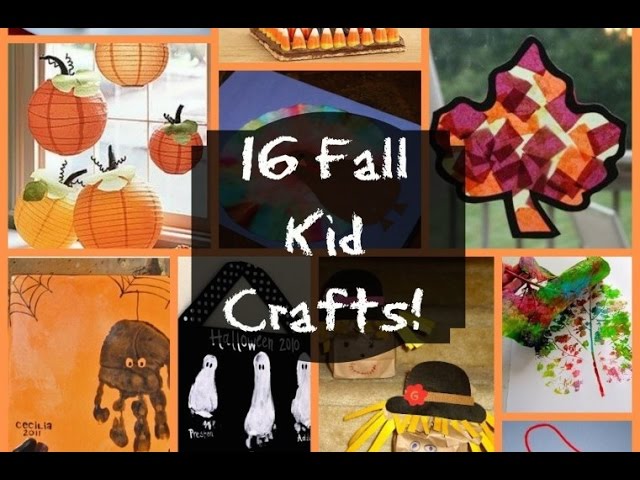
Estimated time: 15-20 minutes. This simple project introduces children to texture and color exploration. They can use leaves collected on an autumnal nature walk.
- Gather various leaves.
- Place a leaf under a piece of paper.
- Use the side of a crayon to rub over the paper, revealing the leaf’s imprint.
- Repeat with different leaves and colors.
Pumpkin Painting
Estimated time: 20-30 minutes. This activity enhances fine motor skills and allows for creative expression. Using small pumpkins allows for more manageable handling for preschoolers.
- Provide small pumpkins.
- Offer a variety of paints and brushes.
- Encourage children to paint their pumpkins in unique designs.
- Allow sufficient drying time.
Spider Web Craft
Estimated time: 15-20 minutes. This craft reinforces shape recognition and enhances hand-eye coordination.
- Use black yarn or string.
- Provide a circular piece of cardboard.
- Guide children to create a spiderweb pattern by gluing the yarn onto the cardboard.
- Add a small plastic spider for extra detail.
Paper Plate Ghosts
Estimated time: 15-20 minutes. This classic Halloween craft is simple yet effective for younger children.
- Provide white paper plates.
- Let children draw ghost faces using markers.
- Cut out eyeholes and add other details as desired.
- Optional: Add yarn or string for hanging.
Handprint Pumpkins
Estimated time: 10-15 minutes. This project cleverly uses children’s handprints to create unique pumpkins.
- Use orange paint.
- Have children make handprints on paper.
- Once dry, draw stems and other pumpkin details.
Fall Leaf Collages
Estimated time: 20-30 minutes. This activity encourages creativity and appreciation for nature.
- Gather assorted fall leaves.
- Provide construction paper, glue, and other embellishments.
- Guide children to create collages using leaves and other materials.
Paper Bag Owls
Estimated time: 20-25 minutes. This craft uses simple materials to create a cute, autumnal animal.
- Use brown paper bags.
- Cut out owl features and add other details.
- Glue the features onto the bags.
The selection of October crafts should always consider the developmental stage of the preschool children. Simple, manageable projects are key for younger children, gradually increasing the complexity as they progress. Adapting instructions to meet individual needs is also crucial for fostering a sense of accomplishment and encouraging continued engagement in creative activities. The focus should be on the fun and learning aspects of the craft, rather than on achieving perfect results.
Furthermore, incorporating storytelling or other thematic elements into the crafting process can add an extra layer of engagement and learning. For instance, when making pumpkin crafts, reading a story about pumpkins can enhance the children’s understanding and appreciation of the theme. This integrated approach enriches the overall learning experience, making it both memorable and meaningful for young children.
Tips for Successful October Crafts for Preschool
Careful planning and preparation are essential to ensure a successful crafting experience for both children and educators. Considering the age range and skill levels within the preschool class is crucial for selecting appropriate projects. Having all the necessary materials gathered and organized beforehand minimizes disruptions and maximizes crafting time.
Moreover, creating a safe and organized workspace is essential to prevent accidents and maintain a positive crafting environment. Clear instructions and appropriate supervision contribute to a successful and enjoyable experience for all participants. Remember to emphasize process over perfection, encouraging creativity and self-expression above all else.
- Prepare in advance: Gather all materials beforehand to avoid interruptions during the activity.
Having all the necessary materials ready before beginning the activity ensures a smooth workflow and minimizes distractions. This includes not just the main craft materials but also scissors, glue, paintbrushes, and other tools.
Keep it simple: Choose projects appropriate for the children’s age and skill level.
Selecting age-appropriate projects ensures that children can successfully complete the activity, fostering a sense of accomplishment and encouraging future participation in crafting activities. Overly complex tasks can lead to frustration and disengagement.
Emphasize the process, not the product: Focus on the fun and learning aspects of the craft.
The emphasis should be on the joy of creating and learning, not on achieving a perfect end result. This approach encourages creativity, experimentation, and self-expression, while mitigating any potential for children to feel discouraged by comparisons to others’ work.
Encourage teamwork and collaboration: Pair children for projects if appropriate.
Collaborative projects encourage communication, cooperation, and problem-solving skills. Working together on a shared project fosters a sense of teamwork and shared accomplishment, while also building social skills.
Clean up as you go: Involve children in the cleanup process.
Involving children in the cleanup process teaches responsibility and tidiness. It also provides an opportunity for further discussion and reflection on the completed craft projects, reinforcing the learning experience.
Adapt activities for different needs: Provide alternative options for children who require modifications.
Some children may require modifications to the basic craft instructions. Providing alternative options, such as using different tools or simpler steps, ensures that every child can participate successfully and feel a sense of accomplishment.
Capture the memories: Take photos or videos of the children’s creations.
Documenting the children’s work through photos or videos provides lasting memories for both children and parents. These visual records can be used to showcase the children’s creativity and progress over time. They can also be included in newsletters or portfolios to share accomplishments with families.
October crafts are more than just fun activities; they’re valuable learning experiences. They provide opportunities to integrate various learning concepts within a playful setting. These experiences also foster important life skills, including fine motor dexterity, creative thinking, and problem-solving abilities. The tangible results of these projectsthe finished craftsprovide lasting visual reminders of the fun and learning achieved.
Ultimately, a well-planned selection of October crafts for preschool ensures an engaging and enriching experience for every child. By understanding and implementing these strategies and tips, educators can create a joyful and memorable autumn crafting experience for their students.
Frequently Asked Questions about October Crafts for Preschool
This section addresses common questions regarding October crafts for preschool, providing educators and parents with helpful information to support successful crafting experiences.
What are some age-appropriate October crafts for preschoolers?
Suitable crafts include leaf rubbings, pumpkin painting, spiderweb creations, and simple collages using fall leaves. The key is to select projects that are not overly complex, allowing children to experience success and build confidence in their abilities. Projects that incorporate familiar themes and simple steps make it easier for children to participate and feel accomplished. Remember to prioritize safety when selecting materials and methods.
How can I make October crafts more engaging for preschoolers?
Incorporate storytelling, songs, or other thematic elements to add an extra layer of engagement. For instance, reading a story about pumpkins before starting a pumpkin-painting activity can enhance the children’s understanding and interest. Encouraging collaboration among the children can also create a more dynamic and participatory learning environment. Allowing for individual expression and creativity within the project guidelines will make it more meaningful to each child.
What safety precautions should I take when doing October crafts with preschoolers?
Always supervise children closely, especially when using scissors, glue, or paint. Choose non-toxic materials and ensure the workspace is well-lit and organized to minimize the risk of accidents. Keep small parts out of reach of younger children to prevent choking hazards. Having a plan for cleaning up spills or messes and ensuring the environment is safe ensures the children remain safe and focused on the crafting activity.
How can I adapt October crafts for children with different abilities?
Adapt the complexity and materials to suit individual needs. For instance, children with fine motor skill challenges might benefit from using larger brushes or pre-cut shapes. Provide alternative options for children who need more support or guidance and ensure a comfortable environment that meets individual preferences. This inclusive approach guarantees all children feel involved, valued, and successfully complete their chosen activity.
How can I incorporate learning into October crafts?
Integrate learning through discussions about colors, shapes, textures, or seasonal changes. For instance, when creating leaf rubbings, discuss the different shapes and colors of leaves. Relate the craft to other curriculum areas like science, math, or literacy, strengthening knowledge and skills through engaging activities. This multi-faceted approach maximizes learning opportunities while maintaining the fun and engaging nature of the activity.
October crafts for preschool are essential for fostering creativity, fine motor development, and seasonal appreciation. They provide opportunities for integrated learning and building confidence in young learners.
Remember that the goal of these activities isn’t perfection, but the joy of creating and learning. A positive, supportive environment will ensure a successful crafting experience for everyone.
Through thoughtful planning and preparation, educators can leverage October crafts for preschool to create a memorable and enriching learning experience for young children, fostering creativity and a love for autumn.
Key Aspects of October Crafts for Preschool
Analyzing October crafts for preschool from a grammatical perspective illuminates its multifaceted nature. Considering the noun crafts, the adjective October, and the noun phrase preschool, provides a comprehensive understanding of the topic’s scope and educational value.
Crafts (Noun)
Crafts refer to the hands-on activities themselves. This encompasses the range of project options available, from simple leaf rubbings to more intricate collages. It highlights the practical engagement and skill-building aspect of the subject. The wide array of available projects also allows for flexibility in catering to different skill levels and interests.
October (Adjective)
October provides the temporal context and thematic focus. It links the crafts to the autumn season, allowing for the integration of seasonal themes, colors, and natural materials. This thematic element adds relevance and contextual richness to the projects.
Preschool (Noun)
Preschool indicates the target age group. This emphasizes age-appropriateness, highlighting the importance of choosing projects suitable for the developmental level of young children. Consideration of the age range informs material selection, complexity of steps, and safety measures.
The interaction of these elementsthe practical activity of crafting, the seasonal context of October, and the targeted audience of preschoolersforms a coherent and enriching educational experience.
Effective October crafts for preschool should be engaging, developmentally appropriate, and integrated with broader learning objectives. They serve as valuable tools for teaching essential skills while fostering creativity and a love of learning. Through proper planning and preparation, educators can use these crafts to cultivate a joyful and rewarding experience for preschool children.
In conclusion, thoughtful selection and implementation of October crafts for preschool provides valuable learning opportunities, strengthening skills and building positive learning experiences for young children.
Youtube Video: