 Mayumi Goya
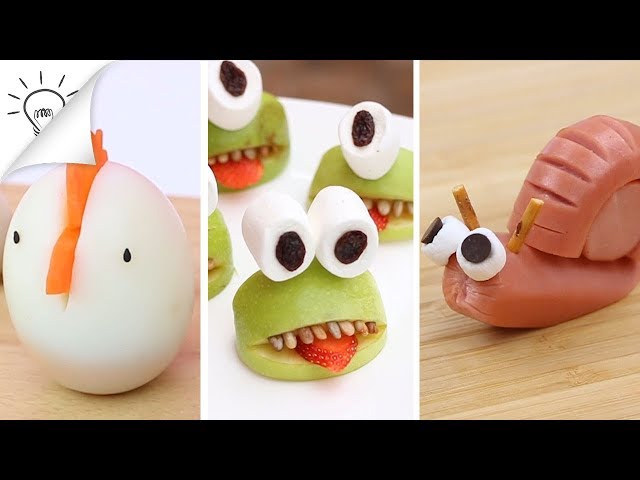
 Food arts and crafts for preschool offer a unique blend of creativity, learning, and fun. These activities engage young children in hands-on experiences that foster imagination, develop fine motor skills, and introduce basic concepts like shapes, colors, and textures while also exploring healthy eating habits. The sensory exploration involved strengthens cognitive development, and the collaborative nature of many projects encourages social interaction and teamwork. Furthermore, using readily available food items makes these projects both accessible and affordable for most preschool settings. The resulting creations provide a sense of accomplishment and pride in the children.
Preschoolers benefit significantly from food-based craft activities. The tactile exploration of different food textures, such as smooth peanut butter or crunchy cereal, stimulates sensory development. Moreover, engaging with familiar foods in a non-traditional way can encourage adventurous eating habits, expanding their culinary horizons beyond the usual meals. The process itself helps to develop problem-solving skills as children figure out how to manipulate materials and achieve the desired outcome. This playful approach to learning can transform potential mealtime struggles into positive and enjoyable experiences. The process is as educational as the product.
Food-based crafts can easily be integrated into various preschool themes. For instance, during a farm-themed unit, children can create adorable animal figures from fruits and vegetables. During a fall unit, they can make colorful collages with dried leaves and autumnal-colored fruits. Themes such as the ocean, jungle, or even outer space also offer exciting options for creating imaginative projects. The versatility of this approach makes it adaptable to any learning environment and curriculum. Through these activities, children make connections between the foods they eat and the wider world. Creative expression blossoms naturally within the context of the familiar.
Food Arts and Crafts for Preschool
The following projects offer diverse approaches to integrating food into preschool art activities. Each project emphasizes simplicity, accessibility, and age-appropriateness, ensuring that even the youngest preschoolers can successfully participate and experience the joy of creation. The estimated time for completion varies, but most projects can be completed within a single session, allowing for flexibility in scheduling. Adult supervision is always recommended.
Fruit and Vegetable Stamping
Estimated time: 30 minutes. This project introduces the concept of printing and pattern making.
- Cut various fruits and vegetables (e.g., apple slices, potato halves) into interesting shapes.
- Dip the cut sides into non-toxic paint.
- Press gently onto paper to create prints.
- Encourage children to experiment with different colors and shapes.
- Let prints dry completely.
- Optional: Add details with markers or crayons.
Pasta Necklaces
Estimated time: 45 minutes. This activity develops fine motor skills and hand-eye coordination.
- Gather various types of pasta (e.g., macaroni, penne, farfalle).
- Provide non-toxic paint and allow children to decorate the pasta.
- Once dry, string the painted pasta onto yarn or string.
- Help children tie the ends to create a necklace.
- Optional: Add beads or charms for extra decoration.
Cereal Collages
Estimated time: 45-60 minutes. This simple collage introduces texture and color exploration.
- Gather various types of cereal (e.g., Cheerios, Fruit Loops, Rice Krispies).
- Provide glue and paper.
- Let children create their own designs by gluing the cereal onto paper.
- Encourage creativity and experimentation with colors and textures.
- Let the collage dry completely.
These examples showcase the versatility of using readily available food items to create engaging and educational crafts. The projects are designed to enhance creativity, fine motor skills, and cognitive development. Remember to always emphasize the importance of food safety and hygiene practices while conducting these activities.
The adaptable nature of this approach allows for the creation of many thematic crafts, linking food-based projects seamlessly to various learning goals, enhancing the overall preschool experience.
Tips for Successful Food Arts and Crafts for Preschool
Implementing food-based crafts effectively requires careful planning and consideration. Prioritizing safety and hygiene is paramount, and age-appropriate activities are essential for a positive experience.
Success hinges on organization, clear instructions, and adapting to children’s individual needs and abilities.
-
Prioritize Safety:
Always supervise children closely during activities. Choose non-toxic paints and food items appropriate for consumption (if applicable). Ensure all surfaces are clean and sanitized. Teach children about food hygiene before starting any activity. Address any allergies or dietary restrictions of the children involved before selecting the foods.
-
Keep it Simple:
Projects should be age-appropriate and easy to follow. Start with basic steps and gradually introduce more complex techniques. Avoid projects with intricate details that might frustrate young children. Keep instructions clear and concise. Focus on the fun and learning aspects.
-
Embrace Messiness:
Food-based crafts are inherently messy. Prepare for spills and embrace the creative chaos. Cover work surfaces adequately. Have cleaning supplies readily available. Consider using smocks or aprons to protect clothing. The mess is part of the learning process.
-
Encourage Creativity:
Provide open-ended opportunities for children to explore their imaginations. Avoid rigid instructions. Allow children to make their own choices and express their creativity. Celebrate individual creations and provide positive reinforcement. Focus on process and exploration over product perfection.
-
Clean Up is Part of the Process:
Incorporate cleanup into the craft session. Assign age-appropriate tasks for children to participate in. Make cleanup fun and collaborative. Teach children how to properly dispose of materials and clean up their workspace. This develops responsibility and teamwork skills.
By following these guidelines, educators can create a fun and engaging environment where learning and creativity flourish. Remember to adjust the complexity of activities based on the children’s developmental level and abilities.
The key to successful food crafts lies in planning and preparation. A well-organized approach enhances the learning experience and makes the activity more enjoyable for all involved.
Frequently Asked Questions about Food Arts and Crafts for Preschool
Many queries arise concerning food-based preschool activities. Addressing common concerns promotes a smoother and safer learning experience for both children and educators.
What are the benefits of food arts and crafts for preschoolers?
Food-based crafts foster creativity, fine motor skills, sensory development, and problem-solving. They also offer opportunities for social interaction and collaboration, while potentially introducing children to a wider range of food options. The hands-on engagement makes learning more memorable and engaging. These activities can also be linked to other educational goals, making them versatile for a preschool setting.
Are there any safety concerns to consider?
Always supervise children carefully during food-based crafts. Choose non-toxic materials. Consider any allergies or dietary restrictions. Ensure proper hand hygiene. Teach children about food safety. Thoroughly clean up afterward. Prioritize preventing accidents and injuries. Adapt activities to the children’s developmental capabilities.
How can I incorporate food arts and crafts into my existing curriculum?
Food crafts can be easily integrated into various thematic units. For example, a farm theme could use fruits and vegetables, while an ocean theme could use seaweed and shells. Relate the activities to the literacy, numeracy, or science aspects of your current curriculum. Use the crafts to reinforce learning concepts. Make learning multi-sensory and engaging. Connect the activities to existing learning materials.
Careful planning and execution are key to successful food-based craft activities. A well-prepared educator can maximize the learning potential while ensuring a safe and enjoyable experience for every child.
These engaging activities offer a powerful blend of learning and fun, making education both stimulating and rewarding.
Key Aspects of Food Arts and Crafts for Preschool
Analyzing the keyword phrase reveals several crucial aspects relevant to preschool education, focusing on the “noun” aspect of “food,” “arts,” and “crafts.” Each component contributes to a holistic learning experience, promoting a range of skills and knowledge development.
Sensory Exploration
The tactile nature of food materials engages multiple senses, promoting deeper understanding and stimulating cognitive development. Children explore textures (smooth, rough, crunchy), temperatures (cold, warm), and smells (sweet, savory), enriching their sensory experiences. This multi-sensory approach enhances memory and learning retention. The tactile exploration also refines fine motor skills, crucial for writing and other daily activities. The diverse sensory input stimulates brain development and helps create lasting memories.
Creative Expression
Food arts and crafts provide a platform for children to express their creativity and individuality. Using unconventional materials like fruits, vegetables, and cereal promotes imaginative thinking and helps them develop their unique artistic styles. The hands-on process allows for self-expression and experimentation. Children explore colors, shapes, and textures to express their ideas. This supports confidence and self-esteem through creative endeavors.
Skill Development
These activities improve fine motor skills (pinching, grasping, manipulating) and hand-eye coordination. The careful handling of materials enhances dexterity and precision. Problem-solving skills are also honed as children tackle challenges within the craft process. These activities build foundational skills necessary for future academic and life success. The practical nature of the activities makes learning tangible and relevant.
Thematic Integration
Food-based crafts can be easily incorporated into various preschool themes and curriculum areas, enhancing learning and making it more meaningful. For example, a farm-themed unit can utilize vegetables and fruits. The connection between crafts and curriculum areas reinforces the learning experience. Thematic integration creates relevant learning opportunities, connecting theory to practice. These activities bridge the gap between various subject areas.
Nutritional Awareness
Using familiar foods introduces concepts of nutrition and healthy eating in a fun and engaging way. Children learn about different food groups and textures. This can foster a positive attitude towards healthy eating habits. The process of using food in a creative manner can overcome food aversion and promote healthy choices. This early exposure to nutrition can have long-lasting benefits.
These aspects demonstrate the interconnectedness of food arts and crafts to holistic preschool development, encompassing cognitive, physical, and social-emotional growth.
Food arts and crafts offer a powerful, multi-faceted approach to early childhood education. The engaging nature of these activities promotes learning in a fun and meaningful way, fostering creativity, skill development, and overall well-being.
In conclusion, the benefits of food arts and crafts for preschool are undeniable. These activities foster holistic development, making learning enjoyable, engaging, and enriching for young children.
Youtube Video: