 Mayumi Goya
 Crafts with craft sticks offer a surprisingly versatile and accessible avenue for creative expression. These readily available, inexpensive materials provide a foundation for a wide range of projects, from simple decorations to intricate models. The ease of manipulation and the diverse possibilities make craft stick projects suitable for individuals of all ages and skill levels. This exploration delves into various craft stick projects, highlighting their ease of creation and diverse applications. The inherent simplicity and affordability of the materials make these crafts particularly appealing.
The inherent simplicity and affordability of craft sticks contribute significantly to their appeal. They are readily available at most craft stores and even many supermarkets, making them a convenient material for both impromptu projects and carefully planned creations. The smooth, readily paintable surface allows for vibrant customization, and the relatively lightweight nature of the wood makes them easy to handle, even for children. The numerous craft possibilities extend beyond simple constructions, allowing for intricate designs and three-dimensional models with careful planning and execution. This accessibility and adaptability make them ideal for educational settings, family activities, or individual creative pursuits. Their versatility ensures there is a craft stick project to suit everyone’s skill and interest level.
Beyond their immediate utility in crafting, craft sticks also offer educational benefits. They can be used to teach basic geometry concepts, aid in the development of fine motor skills, and stimulate creativity and problem-solving abilities. The tactile nature of working with wood can be calming and therapeutic, making them a suitable tool for stress relief and mindfulness activities. The projects can serve as a platform for exploring color mixing, pattern recognition, and creative design principles. Ultimately, the exploration of crafts with craft sticks represents a beneficial creative endeavor.
Exploring Diverse Crafts with Craft Sticks
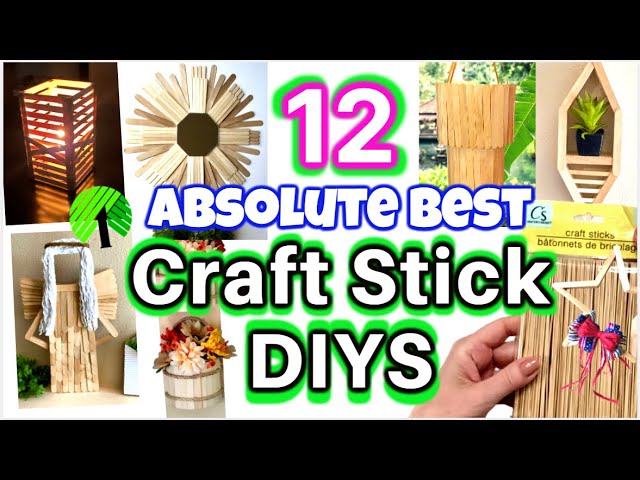
The following examples showcase the diverse range of projects achievable using craft sticks. Each project offers clear instructions, allowing for easy replication. These examples demonstrate the versatility of the material, spanning various skill levels and design aesthetics. The time estimations are approximate and may vary depending on individual skill and project complexity. Remember, the key to success lies in careful preparation and precise execution.
Simple Craft Stick Photo Frame (Estimated Time
- Arrange 8 craft sticks to form a square frame.
- Glue the sticks together at the corners, ensuring a secure bond.
- Allow the glue to dry completely.
- Decorate the frame as desired (paint, glitter, etc.).
- Attach a backing using cardboard or another suitable material.
- Insert a favorite photograph.
Miniature Craft Stick Houses (Estimated Time
- Construct the walls of the house using 4-6 craft sticks glued together.
- Create a roof by arranging craft sticks in a triangular shape.
- Glue the roof onto the walls.
- Decorate the house with paint, felt, or other materials.
- Add details such as doors and windows.
Intricate Craft Stick Stars (Estimated Time
- Glue 5 craft sticks together to form a pentagon.
- Attach additional craft sticks to each point of the pentagon.
- Glue these sticks together to form a star shape.
- Decorate the star with paint and glitter for extra embellishment.
The simplicity and affordability of the materials are not the only advantages to consider. The process itself provides a satisfying tactile experience, and the creative freedom offered encourages exploration and experimentation. Through various projects, individuals can develop their skills in gluing, painting, and other craft techniques. Ultimately, the result is more than just a completed project it’s a tangible representation of creativity and effort. These creative explorations foster patience, attention to detail and self-expression.
The potential for learning and self-discovery inherent in these crafts extends beyond the immediate project. Each creation is an opportunity for self-expression, problem-solving, and the development of fine motor skills. The collaborative nature of many craft stick activities also makes them ideal for social engagement and teamwork. The ability to adapt and modify the instructions promotes adaptability and resourcefulness. The diverse possibilities ensure there’s a project to suit every creative interest.
Essential Tips for Successful Craft Stick Projects
Careful preparation and attention to detail are crucial for achieving optimal results in these craft projects. These tips focus on maximizing the aesthetic appeal and durability of the finished products. With proper attention, these seemingly simple crafts can become intricate and visually stunning pieces. The satisfaction derived from well-executed projects is immensely rewarding.
These guidelines ensure the longevity and aesthetic quality of your creations. Following these simple steps significantly enhances the overall outcome of the craft. Remember, attention to detail elevates the final result.
-
Use high-quality craft sticks:
Selecting sturdy craft sticks ensures the structural integrity of your project. Avoid those that are warped, broken, or excessively thin. Investing in higher quality materials upfront leads to a superior end product.
-
Prepare the surface:
Sanding the edges of the craft sticks before starting the project can create a smoother surface, making gluing easier and the final product more aesthetically pleasing. This step enhances both the feel and visual appeal of the finished creation.
-
Use appropriate adhesive:
Employing a strong adhesive, such as wood glue or a strong craft glue, is critical for securing the sticks together. Ensure the glue is suitable for the chosen materials to avoid damage or structural failure. Choosing the correct adhesive is essential for the longevity of the finished product.
-
Allow ample drying time:
Providing sufficient drying time for the glue is crucial for structural stability. Rushing this step can lead to weak joints and potential project failure. Patient waiting ensures a strong and lasting creation.
-
Explore decorative techniques:
Enhance the aesthetic appeal of your craft by experimenting with various decorative techniques, such as painting, staining, decoupage, or adding embellishments. This step adds a personal touch and significantly impacts the final look. Creativity knows no bounds, so express yourself freely!
The beauty of craft stick projects lies not only in their simplicity but also in their versatility. They are remarkably adaptable to various artistic styles and design preferences. The final products can range from simplistic and rustic to elaborate and decorative, showcasing the artist’s individual vision. The creative possibilities truly are unlimited.
The affordability and accessibility make these crafts a perfect option for individuals seeking a creative outlet, regardless of their budget or experience level. Experimentation and exploration are encouraged.
Frequently Asked Questions about Crafts with Craft Sticks
This section addresses common queries concerning these craft projects, providing clear and concise answers. Understanding these basics allows for smoother project execution and more satisfying results. It is hoped that this Q&A section comprehensively addresses frequently encountered issues.
Q: What type of glue is best for craft sticks?
Wood glue or a strong craft glue specifically designed for wood and paper are generally recommended for craft stick projects. These adhesives offer a strong bond that ensures the structural integrity of your creations. Using inappropriate glue can result in weak joints and a compromised project. Ensure the glue is compatible with the other materials involved.
Q: Can I paint craft sticks before gluing?
Yes, you can pre-paint craft sticks, but it’s crucial to allow the paint to dry completely before gluing. Wet paint can interfere with the adhesive’s ability to bond properly, potentially weakening your project. Allowing adequate drying time ensures that the paint doesn’t compromise the project’s strength.
The enduring appeal of these crafts stems from their accessibility and the wide range of possibilities they present. These relatively inexpensive and readily available materials offer significant potential for creative exploration. The resulting projects, from the simple to the intricate, serve as a testament to human ingenuity and creativity.
The educational and therapeutic benefits further enhance the value of this activity. The simple act of creating something tangible can be immensely satisfying, providing a sense of accomplishment and boosting self-esteem. Engaging in this creative process offers a blend of fun and learning.
Key Aspects of Crafts with Craft Sticks
Considering the noun “crafts” as the central focus, we can explore several key aspects: Materials, Techniques, Designs, Applications, Educational Value, and Therapeutic Benefits. Each of these facets contributes to the overall richness and significance of this creative activity.
Materials
The simplicity of the materials (craft sticks, glue, paint, etc.) contributes to the accessibility and affordability of these projects. The readily available nature of craft sticks minimizes financial barriers to entry. This aspect ensures that nearly anyone can participate regardless of their socioeconomic background.
Techniques
From simple gluing to more advanced techniques like decoupage or intricate carving, the range of skills involved promotes learning and skill development. This progressive learning curve ensures engagement for individuals at varying skill levels. The processes involved allow for multifaceted growth and mastery.
Designs
The diversity of designs ranges from simple geometric shapes to complex three-dimensional structures. This expansive design spectrum encourages creativity and self-expression. The boundless creativity is a key aspect of these crafts, allowing for individual expression.
Applications
Craft stick projects are applicable to various contexts, from personal decorations to educational tools. The widespread usage of this craft medium indicates its practicality and suitability across different settings. The versatility across application fields is a critical factor for popularity.
Educational Value
These crafts foster fine motor skills, problem-solving, and creativity. This educational potential makes this activity a valuable tool for learning and development, regardless of age. The multifaceted nature of the learning experience is particularly valuable.
Therapeutic Benefits
The calming and engaging nature of these crafts provides therapeutic benefits. The repetitive motions and focus required can reduce stress and promote relaxation. This therapeutic aspect is an often-overlooked but significant advantage.
The seemingly simple act of crafting with sticks is much more than mere construction; it’s a journey of creativity, learning, and self-expression. The process engages multiple cognitive and physical skills, offering a unique and enriching experience.
From simple photo frames to intricate miniature houses, the possibilities are truly vast. Each project, regardless of complexity, provides a sense of accomplishment and encourages further exploration. These crafts offer an accessible and rewarding way to tap into one’s creative potential. The versatility and adaptability to various skill levels further enhance their appeal.
In conclusion, crafts with craft sticks offer a uniquely accessible and rewarding creative outlet. Their affordability, versatility, and educational benefits make them a valuable activity for individuals of all ages and skill levels.
Youtube Video: